
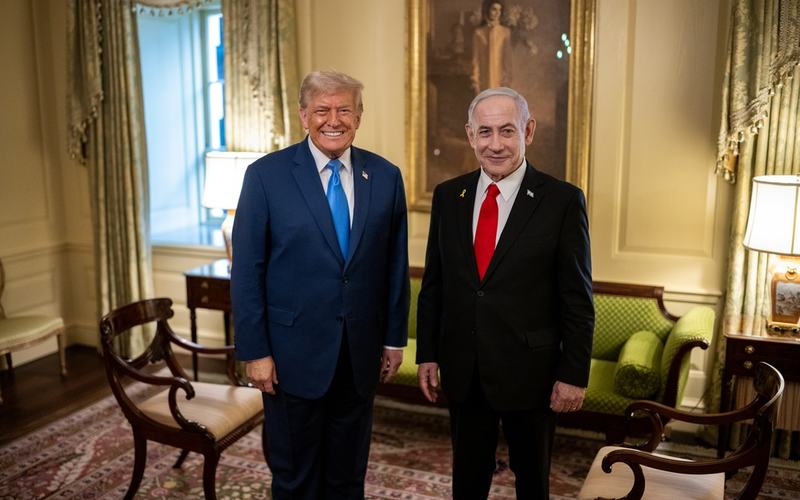
Israeli Prime Minister Benjamin Netanyahu announced Thursday that he has directed his cabinet to launch direct negotiations with Lebanon as soon as possible. The talks aim to disarm Hezbollah and establish peaceful relations between the two countries, coming in response to repeated requests from Beirut.
Netanyahu's office stated: "In light of Lebanon's repeated requests to open direct negotiations with Israel, I instructed the cabinet yesterday to start direct negotiations with Lebanon as soon as possible." The prime minister highlighted a recent call from Lebanon's prime minister to demilitarize Beirut, which Israel welcomed. Negotiations could begin next week, potentially in Washington, according to reports.
The announcement occurs amid escalating tensions in a conflict that intensified on March 2, when Hezbollah resumed firing on Israel. Israeli strikes across Lebanon have killed at least 1,888 people and wounded over 6,000 since then, displacing more than 1.2 million, primarily from southern areas and Beirut suburbs under evacuation orders covering about 15% of Lebanese territory. On Wednesday, attacks in central Beirut and elsewhere killed 303 and injured over 1,000, prompting Lebanon to declare Thursday a national day of mourning.
Israel has reported killing at least 400 Hezbollah fighters and continues operations, stating there is no ceasefire with the group. Hezbollah has conducted at least 20 operations, firing rockets and drones at Israel.
This development coincides with a fragile two-week US-Iran ceasefire aimed at broader negotiations, but Israel and the US maintain it excludes Lebanon. Iran has accused Israel of violating the truce through strikes on Lebanon, with President Masoud Pezeshkian warning they render talks meaningless and pledging not to abandon Beirut. US-Iran delegations are set to meet Saturday in Islamabad.
Lebanese President Joseph Aoun emphasized a ceasefire as the path forward, stating he is pursuing a diplomatic track receiving positive international feedback. Prime Minister Nawaf Salam directed security forces to reinforce state authority in Beirut and monopolize weapons with legitimate authorities. Hezbollah lawmakers rejected direct talks without a prior ceasefire, Israeli withdrawal, and return of displaced persons.
Netanyahu affirmed Israel will press operations against Hezbollah with force and precision, viewing the group as an Iranian proxy threatening its northern border. The move signals a potential diplomatic opening amid military pressure, though skepticism persists given Hezbollah's stance and ongoing hostilities.

Comments
No comments yet. Be the first to share your thoughts.