
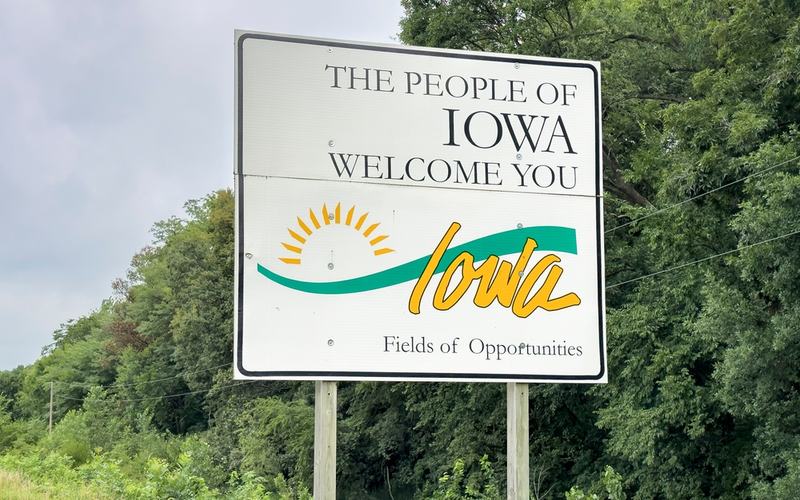
Seven Iowa state senators have introduced Senate File 2252, a proposal aimed at positioning the Hawkeye State as a potential landing spot for the Chicago Bears. The bill would amend Iowa’s Major Economic Growth Attraction (MEGA) program to include incentives for the construction of a professional football stadium by a National Football League franchise.
The MEGA program is designed to attract large-scale investment projects of at least $1 billion and allows for tax incentives such as sales and use tax refunds, investment tax credits, and withholding tax credits, subject to approval by the Iowa Economic Development Authority. Under the proposed changes, those incentives could apply to an NFL team building a stadium in the state.
Sen. Kerry Gruenhagen (R-Walcott), one of the bill’s sponsors, said the legislation sends a message to the Bears and the league. “The Chicago Bears are looking for a state that will appreciate them and welcome them with open arms,” Gruenhagen said in a release. “This bill today is another great way we can show everyone Iowa is open for business and show a team in our neighboring state that we are ready for them if their home state doesn't want them.”
Other sponsors include Sens. Dan Dawson, Dawn Driscoll, Scott Webster, Mike Bousselot, Cherielynn Westrich, and Carrie Koelker — all Republicans.
The Bears have played in Chicago since 1921 and have never owned their own stadium. Efforts to secure a new facility in Illinois have faced obstacles, prompting team leadership to explore other options. In December, team president and CEO Kevin Warren said the organization was expanding its search to Indiana. Indiana Gov. Mike Braun publicly expressed willingness to work with the franchise on a potential project.
While Iowa’s proposal would keep the team within the broader Midwest region, major cities such as Davenport and Des Moines are significantly farther from Chicago than proposed Indiana sites.
Supporters of the bill argue that bringing an NFL franchise to Iowa would generate jobs, tourism, and long-term economic growth, while signaling that the state is prepared to compete for high-profile investment opportunities.

Comments
No comments yet. Be the first to share your thoughts.