
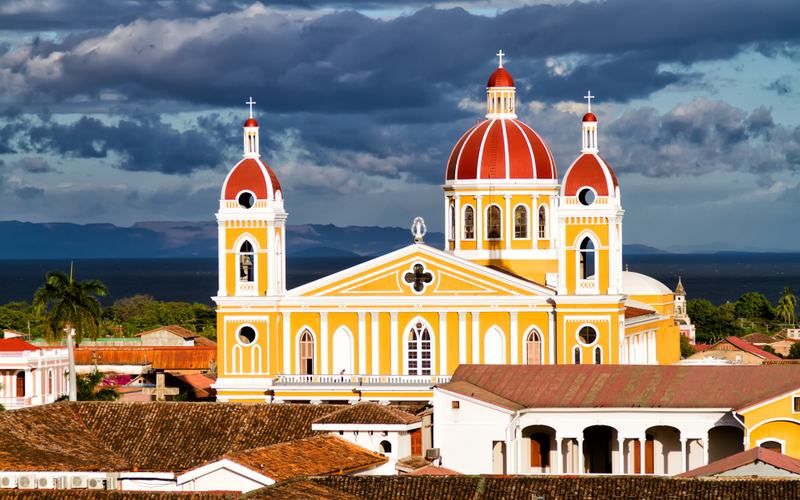
Catholics in Nicaragua were prevented from holding public Stations of the Cross processions on February 20, the first Friday of Lent in 2026, after authorities ordered that all events remain inside church buildings. Lent began February 18 on Ash Wednesday and runs through April 2, Holy Thursday, as Christians prepare for Easter.
Nicaraguan researcher and activist Martha Patricia Molina told the newspaper La Prensa that the government prohibited 406 outdoor processions nationwide, instructing parishes that “everything has to be inside the temples.” In a Facebook post, Molina wrote that “Jesus on the Cross remains confined to the walls of each parish,” accusing the government of fearing public religious demonstrations.
Molina has documented what she describes as systematic persecution of Christians under President Daniel Ortega and his wife, Rosario Murillo, who serves as co-president. Her annual report, Nicaragua: A Persecuted Church, states that 1,010 acts of Christian persecution were recorded between April 2018 and July 2025.
According to Molina, police have visited priests to demand Holy Week schedules and warned that officers will monitor Lenten and Easter Triduum events to ensure no gatherings extend beyond parish grounds. She urged lay Catholics to document incidents while avoiding confrontation with authorities.
The crackdown follows years of tension after the Catholic Church supported peaceful protests in 2018, calling for political change. Since then, clergy members have been arrested, interrogated, or expelled, church properties have been seized, and religious institutions have faced closure.
Last week, ACI Prensa reported that Father José Concepción Reyes Mairena of the Diocese of León was denied entry into Nicaragua after returning from a two-year stay in Spain. He was detained, questioned, and sent back abroad, becoming the 309th Church member expelled from the country, according to Molina.
Additional restrictions have included banning certain dioceses from conducting door-to-door evangelization and prohibiting travelers from bringing Bibles into the country, measures confirmed by local transportation companies. The latest prohibition on public processions marks another step in the government’s tightening control over religious expression in the Central American nation

Comments
No comments yet. Be the first to share your thoughts.