
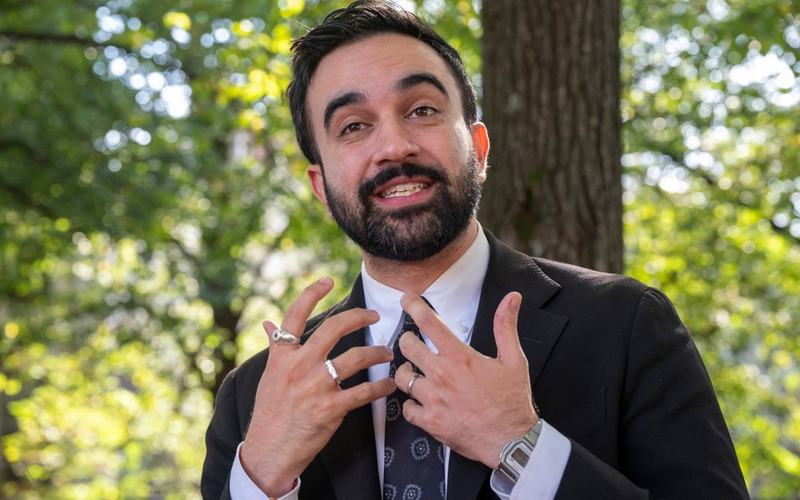
New York City Mayor Zohran Mamdani on Tuesday unveiled a preliminary $127 billion budget for 2027, proposing a 9.5% increase in property taxes and the use of the city’s Rainy Day Fund and Retiree Health Benefits Trust Fund to close a projected $5.4 billion deficit.
“This would effectively be a tax on working- and middle-class New Yorkers who have a median income of $122,000,” Mamdani said, describing the measures as a last resort. The mayor had preferred to raise taxes on high-income earners and corporations, but such a move would require approval from Democratic Gov. Kathy Hochul, who has pledged not to raise taxes in 2026.
Under the proposal, $980 million would be drawn from the Rainy Day Fund and $229 million from the Retiree Health Benefits Trust, increasing city spending from the $115 billion budget set by former Mayor Eric Adams to $127 billion. Mamdani attributed the shortfall to underfunding of $7.54 billion in six key areas under the Adams administration, including cash and rental assistance, shelters, due process cases, judgments, and structural subsidies.
City Comptroller Mark Levine warned that relying on property tax hikes and reserves could have “dire consequences,” calling the current property tax system regressive and inconsistent. Using reserves while the city is experiencing strong economic growth and record Wall Street revenues could leave New York vulnerable to financial instability. Past mayors have tapped reserves during crises, including the 2008 financial downturn and the COVID-19 pandemic, but Mamdani’s plan would do so despite robust revenue.
Turning to reserves to plug recurring budget gaps could also trigger concern from credit rating agencies. A municipal bond downgrade would raise borrowing costs, putting further pressure on the legally required balanced budget. Since 1975, state law has mandated that New York City pass a balanced budget to prevent default and fiscal collapse.
Costs may continue to rise, with watchdog group Citizens Budget Commission reporting that more than $7 billion has been spent on housing and care for undocumented immigrants, surpassing the city budgets for health, sanitation, and fire departments.
Mamdani, a democratic socialist, faces pressure to act quickly as the city still recovers from a winter storm that disrupted basic services such as trash collection and ice removal. If state lawmakers in Albany do not authorize new taxes on wealthy residents or businesses, property owners and working-class New Yorkers would shoulder the burden.
This would mark the first major property tax increase in New York City since 2003, when then-Mayor Michael Bloomberg raised rates following the September 11 attacks.

Comments
No comments yet. Be the first to share your thoughts.