
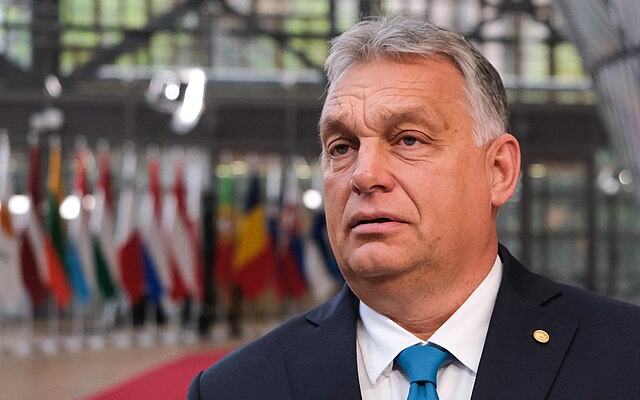
Hungarian Prime Minister Viktor Orbán vetoed a €90 billion EU loan to Ukraine last week, linking the decision to a prolonged halt in Russian oil deliveries through the Druzhba pipeline. The blockage, which also stalled the European Union's 20th sanctions package against Russia, came on the eve of the fourth anniversary of Moscow's full-scale invasion of Ukraine.
Oil flows via the Soviet-era Druzhba pipeline to Hungary and Slovakia stopped on January 27 after a Russian drone strike damaged infrastructure in Ukraine, according to Kyiv. Budapest accused Ukraine of deliberately delaying repairs for political reasons, calling it an "oil blockade" and a violation of the EU-Ukraine Association Agreement. Foreign Minister Péter Szijjártó stated, "We will not give in to this blackmail."
In a letter to European Council President António Costa, Orbán wrote that he could not support decisions favorable to Ukraine until oil flows resumed. He later escalated rhetoric in a social media open letter, accusing Kyiv of an "anti-Hungarian policy" and preparing disruptions to Hungary's energy system. Following a defense council meeting, Orbán ordered soldiers to guard energy facilities, police patrols at power stations, and a drone ban near the Ukrainian border.
Ukraine denied the claims, stating repair crews were working amid further Russian attacks that injured workers. President Volodymyr Zelenskyy urged Orbán to negotiate an energy ceasefire with Russian President Vladimir Putin, noting, "Russia destroyed these pipelines several times." Slovakia, under Prime Minister Robert Fico, halted emergency electricity supplies to Ukraine and echoed calls for a fact-finding mission on the pipeline damage.
EU leaders vowed to deliver the loan despite the veto. Commission President Ursula von der Leyen said, "We will deliver on our word one way or the other... We have different options and we will use them." Costa called for using treaty tools to prevent blackmail, while officials eyed enhanced cooperation mechanisms under Article 327. The Commission welcomed Orbán's recent proposal for an EU inspection of the pipeline but made no firm commitments.
Alternative supplies via Croatia's Adria pipeline were ramping up, with non-Russian crude covering Hungary and Slovakia's needs and no shortage risks reported. Hungary released strategic reserves, sufficient for 96 days at the end of January. As of early Monday, Ukraine began testing the Druzhba pipeline amid ongoing criticisms from Budapest and Bratislava.
The standoff occurs ahead of Hungary's April parliamentary election, where Orbán faces a stiff challenge. Hungary and Slovakia remain the only EU states reliant on Druzhba for refinery oil.

Comments
No comments yet. Be the first to share your thoughts.