
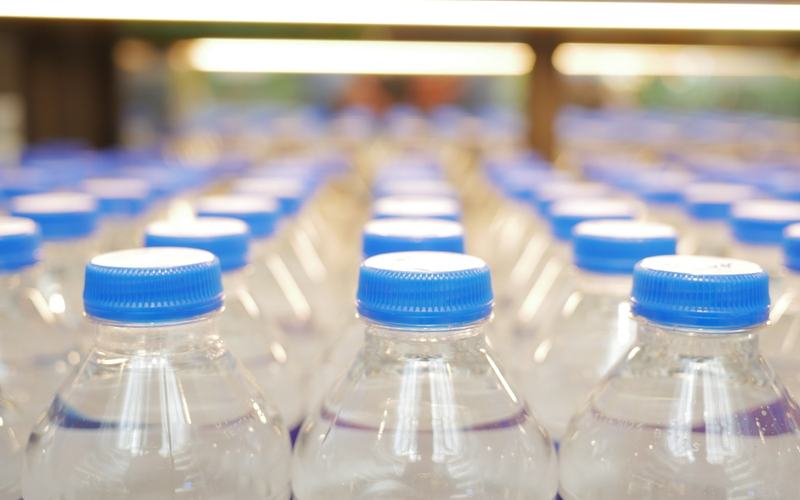
More than 650,000 bottles of water are being recalled after federal regulators determined the products were packaged under unsanitary conditions, according to a report from the U.S. Food and Drug Administration.
The recall was issued by Wisconsin-based Valley Springs Artesian Gold LLC and affects a total of 651,148 bottles of water that were distributed in Illinois and Wisconsin. The company initiated the recall on Feb. 6, and the FDA later classified the action as a Class II recall on Feb. 26.
A Class II recall means the use of the product could cause temporary or medically reversible health effects, though the probability of serious health consequences is considered remote.
According to the FDA enforcement report, the recall covers six bottled water products produced by Valley Springs. The affected items include one-gallon and 2.5-gallon containers of the company’s 100% Natural Bottled Water, as well as specialty products such as infant water, distilled water, and water marketed for pets.
Among the products listed in the recall are Valley Springs one-gallon 100% Natural Bottled Water, the 2.5-gallon version of the same product, one-gallon Infant Water labeled “Not sterile,” one-gallon Daisy’s Doggy Water, one-gallon bottled water with added fluoride, and one-gallon steamed distilled water.
The infant water product carries labeling that notes it is not sterile and should be used according to physician guidance or infant formula instructions. The recall does not specify particular illnesses linked to the products but states they were packaged in conditions considered unsanitary during the bottling process.
The affected water products were shipped to retailers and distributors in Illinois and Wisconsin. The FDA’s enforcement report did not indicate that the products were distributed nationwide.
Consumers who purchased the recalled items are typically advised to avoid consuming the products and contact the manufacturer or retailer for guidance regarding returns or disposal, though the enforcement report primarily focuses on the classification and distribution of the recalled goods.
Food safety recalls are commonly issued when a product may pose a health risk or fails to meet regulatory standards for manufacturing or packaging. The FDA uses a three-tier classification system for recalls, with Class I representing the most serious health threat and Class III covering issues unlikely to cause adverse health effects.
In this case, regulators determined the recall met the criteria for a Class II designation, meaning exposure could lead to short-term or reversible health effects but is unlikely to result in severe medical consequences.

Comments
No comments yet. Be the first to share your thoughts.