
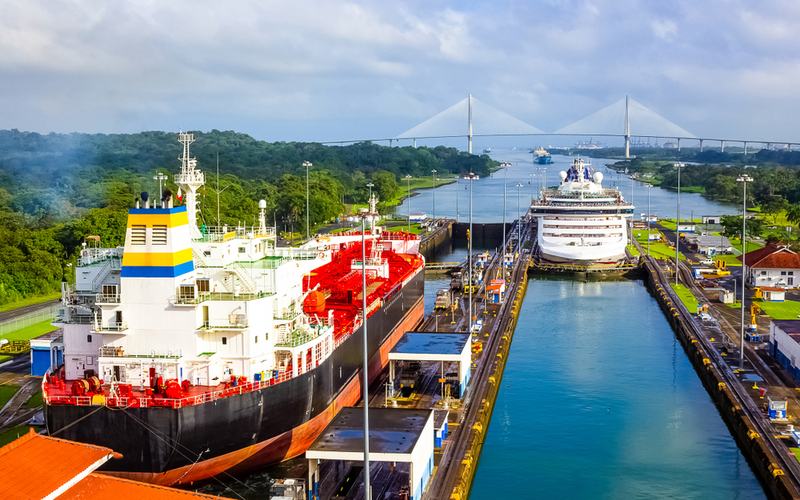
Panama’s Supreme Court has declared unconstitutional a major contract awarded to a Hong Kong-based company to operate key ports at both ends of the Panama Canal, effectively stripping the firm of control over the critical terminals and sending shockwaves through global trade and U.S.-China relations. The ruling, handed down on January 29, 2026, marks a significant victory for Panama’s sovereignty over the canal and aligns with President Trump’s long-standing warnings about Chinese influence in the region.
The court’s decision voids the 25-year concession granted to CK Hutchison Holdings (a Hong Kong conglomerate controlled by billionaire Li Ka-shing) to manage the ports of Balboa (Pacific entrance) and Cristóbal (Atlantic entrance). These two terminals handle a substantial portion of the canal’s container traffic, making them among the most strategically important commercial facilities in the Western Hemisphere.
The lawsuit, brought by Panamanian opposition groups and labor unions, argued that the contract violated national sovereignty clauses in Panama’s constitution, lacked proper transparency, and gave undue influence to a foreign entity, particularly one tied to the Chinese government through Hong Kong’s “one country, two systems” framework. The Supreme Court agreed, ruling that the agreement “undermines Panama’s control over its most vital national asset” and ordering the immediate termination of CK Hutchison’s operations.
Panama Canal Authority officials have begun transitioning management back to state control or to new bidding processes, though the ruling allows for a short transition period to avoid disrupting global shipping. The decision does not affect the canal itself (operated by the Panama Canal Authority), but the ports are crucial for loading and unloading cargo that transits the waterway.
The ruling is a major geopolitical win for the United States. President Trump has repeatedly called the Panama Canal a “gift” the U.S. should never have relinquished in 1999 and has warned against growing Chinese commercial and strategic influence near the canal. In recent months, Trump has floated ideas of reasserting U.S. control or securing long-term leases, citing security and economic concerns. The court’s decision removes a key Chinese foothold at the canal’s choke points, aligning with America First priorities of reducing Beijing’s leverage in the Americas.

Comments
No comments yet. Be the first to share your thoughts.