
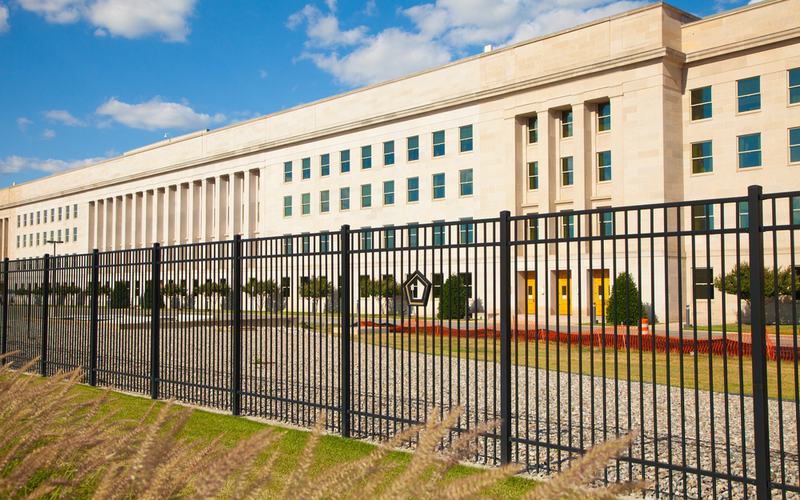
The Pentagon used a high-energy laser to shoot down a U.S. Customs and Border Protection drone Thursday near Fort Hancock, Texas, on the Mexican border, according to federal officials and lawmakers. The incident occurred in military airspace when the Defense Department mistook the CBP drone for a threatening unmanned aerial system, possibly operated by drug cartels that frequently incursion the area.
A joint statement from the Pentagon, CBP, and Federal Aviation Administration confirmed the military "employed counter-unmanned aircraft system authorities to mitigate a seemingly threatening unmanned aerial system operating within military airspace." The engagement took place far from populated areas with no commercial aircraft nearby, and there were no reports of injuries or additional damage. In response, the FAA expanded a temporary flight restriction around Fort Hancock for safety reasons, though it did not affect commercial flights.
The agencies pledged improved coordination, stating they would "continue to work on increased cooperation and communication to prevent such incidents in the future." They highlighted efforts under President Trump to combat drone threats from Mexican cartels and foreign terrorist organizations at the border, calling it unprecedented cooperation.
Democratic lawmakers expressed outrage over the mishap. Representatives Rick Larsen, Bennie Thompson, and André Carson, top Democrats on the House Transportation and Infrastructure Committee, said their "heads are exploding over the news that DoD reportedly shot down a Customs and Border Protection drone using a high-risk counter-unmanned aircraft system." They blamed the Trump administration for rejecting a bipartisan bill on counter-drone training and agency coordination. Senator Tammy Duckworth called for investigations by the inspectors general of the Defense, Transportation, and Homeland Security departments.
This marks the second laser-related incident this month along the Texas border. Earlier, around February 11, CBP deployed a Pentagon-lent laser near Fort Bliss, about 50 miles northwest of Fort Hancock, targeting suspected cartel drones but striking party balloons instead. That event prompted a brief FAA closure of El Paso airspace, lasting hours and causing flight disruptions before reopening.
The high-energy laser systems represent a new tool against the growing threat of cartel drones smuggling drugs and conducting surveillance. Congressional aides noted the technology had not been previously deployed domestically, raising safety concerns near civilian airspace despite its effectiveness against threats. Agencies plan further briefings to Congress on coordination protocols.

Comments
No comments yet. Be the first to share your thoughts.