
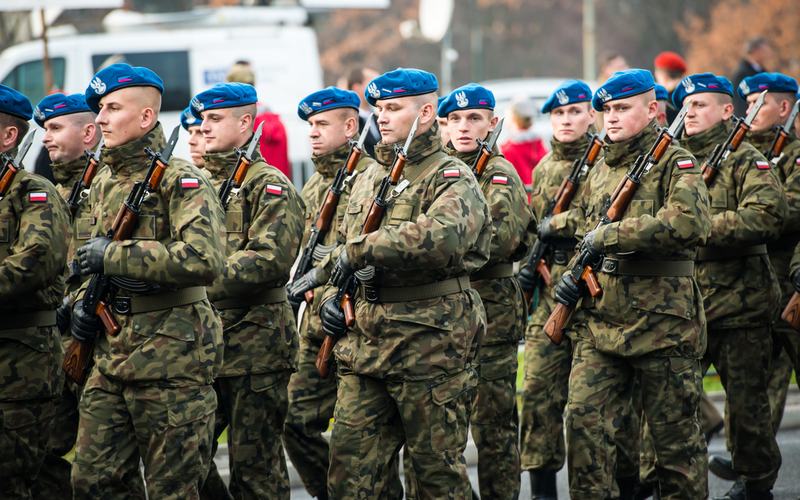
Poland, a key U.S. ally on NATO's eastern flank, has stepped up preparations against potential Russian aggression as intelligence warnings point to possible provocations.
Polish and Baltic states have tightened security around dams, power plants, and natural gas facilities in anticipation of a Russian false-flag operation using Ukrainian drones. Assessments from Baltic intelligence indicate Russian agencies may be planning such attacks within days of approval from President Vladimir Putin.
In a separate development, Poland detained a Russian citizen accused of plotting to assassinate a Ukrainian-American dual citizen in Warsaw on Moscow's orders. Prime Minister Donald Tusk announced the foiled operation last week.
A Russian Kh-101 cruise missile entered Polish airspace in late July and landed in an open field in the Lublin region without causing casualties. Warsaw summoned the Russian ambassador in protest, and officials confirmed Poland stood ready to shoot it down if necessary.
Deputy Defense Minister Cezary Tomczyk stated that Poland is preparing for a full-scale war with Russia while hoping it never occurs. The country already allocates a larger share of its GDP to defense than any other NATO member and has pursued extensive arms deals with the United States.
Polish Foreign Minister Radosław Sikorski has called for discussions on intercepting Russian missiles over Ukrainian airspace to prevent threats from reaching NATO territory. These measures reflect ongoing concerns over spillover from the Russia-Ukraine conflict and hybrid threats including sabotage and cyberattacks.
Russia has dismissed the warnings as scare stories. Poland's actions underscore its role as a frontline state committed to deterring further Russian advances.

Comments
No comments yet. Be the first to share your thoughts.