
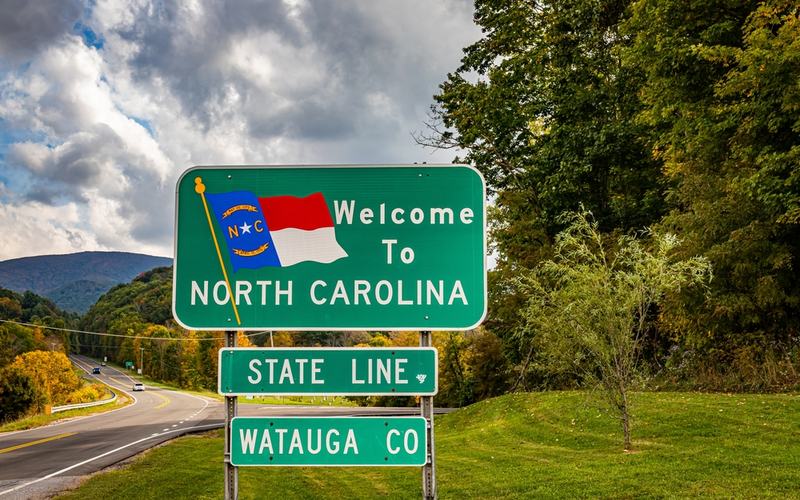
Polls have closed in North Carolina, as several closely watched Republican primaries could shape the direction of the state’s GOP leadership and influence the balance of power in Washington. One precinct in Halifax County will be open for voting until 8:30pm eastern time due to delays in opening this morning.
At the top of the ticket, Republicans are competing to replace retiring U.S. Sen. Thom Tillis in what is expected to be one of the most consequential Senate races of the 2026 cycle. Former Republican National Committee chairman Michael Whatley is widely viewed as the front-runner, bolstered by an endorsement from President Donald Trump. Whatley is campaigning on his national political experience, ties to the Trump administration, and support for energy development and agricultural policy reform.
Other Republican candidates in the Senate primary have focused on government spending, border security, and social conservative priorities, but Whatley’s institutional backing and national profile have made him the candidate to watch. The eventual nominee is expected to face former Gov. Roy Cooper in what could become a marquee general election matchup.
In North Carolina’s 1st Congressional District, Republicans are competing to challenge Democratic Rep. Don Davis in a seat redrawn in 2025 to strengthen GOP prospects. The northeastern district now leans more solidly Republican, making it a key pickup opportunity. Retired Army Col. Laurie Buckhout, Sheriff Asa Buck, state Sen. Bobby Hanig, Commissioner Eric Rouse, and attorney Ashley-Nicole Russell are seeking the nomination. Polling showed Buckhout and Buck leading, though a runoff is possible if no candidate reaches the 30 percent threshold.
In North Carolina’s 11th Congressional District, incumbent Rep. Chuck Edwards faces a Republican primary challenge from Adam Smith. Trump has endorsed Edwards, strengthening the incumbent’s position. Edwards is running on his record of constituent services and disaster recovery efforts in western North Carolina, particularly following Hurricane Helene.
Smith, meanwhile, is emphasizing Appalachian self-reliance and grassroots recovery efforts, arguing that the region needs representation that reflects its independent culture. The race will determine whether Republican voters opt for continuity in Washington or a more insurgent approach.
At the state level, one of the most closely watched contests is in Rockingham and Guilford counties, where Senate President Pro Tempore Phil Berger faces a primary challenge from Rockingham County Sheriff Sam Page. Berger, who has led the state Senate since 2011, is running on his record of tax cuts, regulatory reform, and infrastructure funding. He also carries Trump’s endorsement.
Page has centered his campaign on local accountability and criticism of Berger’s previous consideration of a casino proposal in the district. The race has drawn attention because legislative leaders rarely face serious primary threats, and an upset could significantly alter internal GOP power dynamics in Raleigh.
Collectively, the races reflect broader tensions within the Republican Party between establishment leadership and candidates positioning themselves as more locally rooted or insurgent alternatives. With Trump weighing in on multiple contests, tonight’s results will offer insight into the direction of the GOP in a key battleground state.

Comments
No comments yet. Be the first to share your thoughts.