
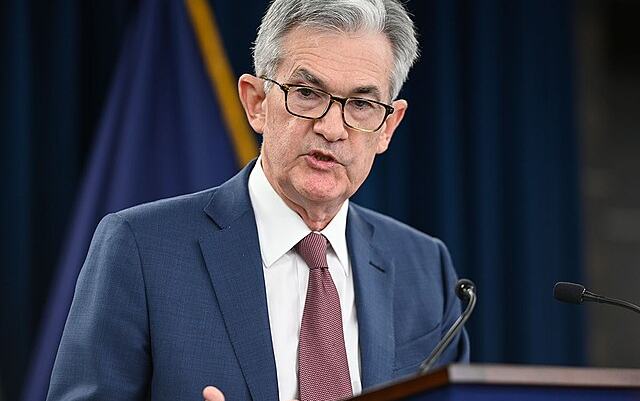
Federal Reserve Chair Jerome Powell directly attributed the bulk of recent inflation pressures to President Donald Trump's tariffs. In comments following the Federal Open Market Committee's December 2025 meeting, Powell stated, "It's really tariffs that are causing the most of the inflation overshoot." He described the effect as likely a one-time price increase rather than persistent inflation.
Powell's remarks came as the Fed grappled with inflation remaining above its 2% target. Core PCE inflation stood at 3.0% over the 12 months ending December 2025, showing little net progress from prior periods when excluding tariff impacts. The Fed viewed goods sector inflation as boosted by tariffs, while services showed disinflation.
This assessment echoed earlier warnings. In January 2026, Powell reiterated that elevated inflation largely reflected tariff effects in goods, with expectations of peaking in early 2026. The FOMC held the federal funds rate steady at 3.50%-3.75% after three prior 25-basis-point cuts.
Recent data supports the tariff narrative. Consumer prices rose 2.4% annually through February 2026, matching January's pace and holding above target. On Wednesday, the FOMC again maintained rates unchanged, noting economic activity expanding solidly despite low job gains and somewhat elevated inflation. The statement highlighted uncertainty from Middle East developments but made no direct reference to tariffs.
Trump's tariffs, steeper than anticipated, targeted imports from China and other partners to protect domestic industries. Powell had previously indicated in 2025 that such measures would raise prices temporarily but could slow growth. Economists projected tariff passthrough peaking early this year before fading.
The Fed remains committed to its dual mandate of maximum employment and 2% inflation. Policymakers assess incoming data, including labor conditions and price pressures, before further rate adjustments. One dissenter, Stephen I. Miran, favored a quarter-point cut.
Inflation has eased from 2022 peaks but stabilized around 2.4%-3.0% amid tariff effects and other factors like energy prices. The economy continues expanding, with unemployment steady.

Comments
No comments yet. Be the first to share your thoughts.