
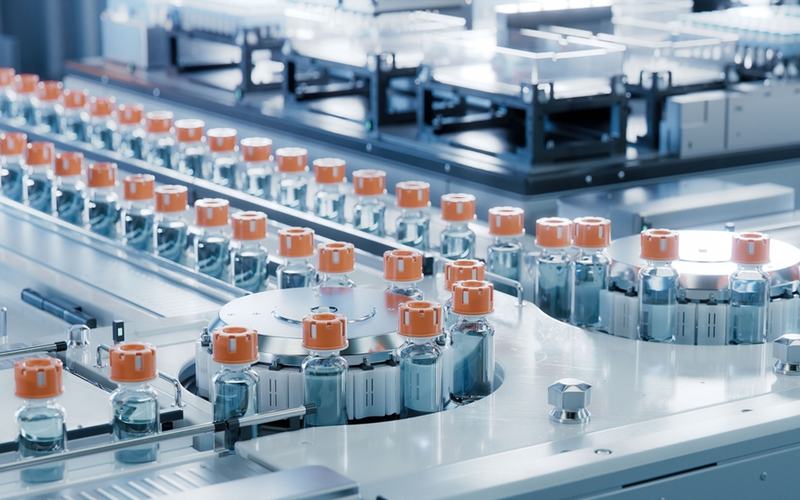
The Trump administration is prepared to announce new tariffs targeting imported pharmaceuticals from select drugmakers as soon as Thursday. The measures, set at 100% duties on branded and patented medicines, aim to pressure companies into guaranteeing lower U.S. prices and expanding domestic manufacturing.
Officials planned the announcement amid ongoing efforts to overhaul the pharmaceutical industry through the TrumpRx.gov platform, where companies commit to pricing reforms and U.S. production investments. Major firms, including Pfizer, Eli Lilly, Johnson & Johnson, Merck, and AstraZeneca, secured exemptions by striking deals or pledging factory expansions. Drugmakers without such agreements faced the full penalties, though exemptions remained possible for certain medicines or disease categories. Plans stayed subject to final changes.
This initiative was built on President Trump's broader trade agenda, which featured sweeping tariffs since his 2025 "Liberation Day" announcement of reciprocal duties on April 2. Those measures evolved amid legal challenges, including a February 2026 Supreme Court ruling that struck down prior International Emergency Economic Powers Act-based tariffs. In response, Trump invoked Section 122 of the Trade Act to impose a temporary 10% global import duty effective February 24, 2026, for 150 days to address payment imbalances. He later signaled plans to raise it to 15%.
Pharmaceutical tariffs formed a key pillar, with threats dating back to early 2025. The administration secured pricing agreements with at least 16 major companies, though some later raised list prices despite commitments. Global drugmakers responded by boosting U.S. operations and stockpiling inventory to mitigate risks.
The U.S. Trade Representative outlined continued enforcement of reciprocal trade pacts in its 2026 agenda, alongside new deals like those with Indonesia, Argentina, and Ecuador. Current tariffs are stacked with existing duties, such as 25% on certain semiconductors, while USMCA-compliant goods remain exempt from the global levy.
Analysts noted the pharma push aligned with Trump's goal of reducing trade deficits and revitalizing American manufacturing. One year after Liberation Day, reviews showed mixed results: higher prices in some sectors but new trade agreements and investments. The upcoming announcement underscored persistence in using tariffs to protect U.S. economic interests.

Comments
No comments yet. Be the first to share your thoughts.