
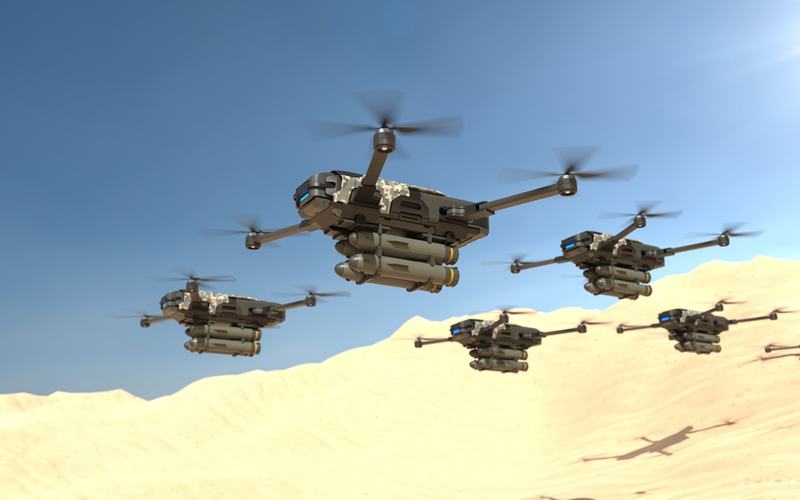
Pro-Iran Iraqi armed factions launched a series of drone strikes on warehouses operated by UK-based Castrol in Erbil early Wednesday, sparking a large fire that firefighters struggled to contain. The attacks hit a facility run in partnership with local firm Sardar Group along the Erbil-Mosul road in the Kani Qirzhala area, igniting stocks of automotive lubricants and materials around 7:20 a.m. local time. Two follow-up drones struck as emergency teams responded, while a fourth was downed by air defenses. No casualties were reported, and civil defense later controlled the blaze.
The Islamic Resistance in Iraq umbrella group, encompassing militias like Kataib Hezbollah, carried out the strikes amid escalating attacks on Western-linked targets. Castrol described the site as a licensed commercial operation uninvolved in regional hostilities. This incident marks the latest in over 450 assaults on the Kurdistan region since late February, when U.S. and Israeli operations against Iran intensified, prompting proxy retaliation.
Such strikes extend a pattern targeting energy infrastructure tied to British interests. On March 6, Iranian-backed militias hit Iraq's massive Rumaila oil field in Basra—one of the world's largest producers—with a drone, causing it to burn. The site is operated jointly by BP, a British energy giant, and Iraq's state oil company. Days earlier, on March 5, unidentified drones landed inside the field, prompting BP to evacuate foreign staff and suspend some operations. Additional drones targeted nearby U.S.-linked energy sites and Basra International Airport that day.
These actions occur against the backdrop of a broader regional conflict. Since U.S. and Israeli strikes on Iranian targets began in late February 2026, Iran-aligned groups in Iraq have ramped up assaults on American, coalition, and commercial assets, including U.S. bases, embassies, and Gulf energy facilities. Iraqi officials have condemned some attacks, while militias frame them as responses to Western aggression. The strikes have raised alarms in global energy markets, though Iraq's crude output has faced limited disruption so far due to the nature of targeted sites like Castrol's lubricant storage.
Kurdish regional authorities and security forces bolstered defenses around Erbil following the incident, with footage circulating online showing thick smoke and the strike's impact. Britain has increased defensive support for Gulf allies amid Iranian threats to energy sites, underscoring risks to Western commercial presence in Iraq. No immediate response came from London or BP on the Castrol attack, but prior incidents prompted operational adjustments at Rumaila.
The campaign highlights vulnerabilities for foreign firms in Iraq, where pro-Iran Popular Mobilization Forces hold sway despite integration into the national military. Ongoing U.S. counterstrikes against militia sites continue, with recent reports of American operations in western Iraq. As tensions persist, analysts warn of potential wider disruptions to oil flows through the Strait of Hormuz and beyond.

Comments
No comments yet. Be the first to share your thoughts.