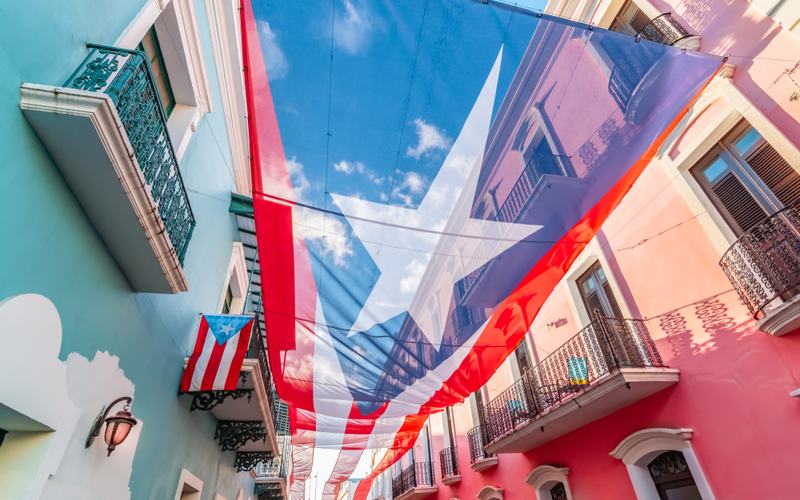
Puerto Rico Governor Jenniffer González-Colón signed Senate Bill 923 into law on February 12, amending the territory's Penal Code to recognize a conceived child at any stage of gestation as a human being. The measure updates an article defining murder, complementing existing provisions that classify as first-degree murder the intentional killing of a pregnant woman resulting in the death of her unborn child.
The law stems from the 2021 case of Keishla Rodríguez, a pregnant woman whose killer received two life sentences. González-Colón stated that the legislation "aims to maintain consistency between civil and criminal provisions by recognizing the unborn child as a human being." The bill passed without public hearings, drawing criticism from medical professionals and civil rights advocates.
Dr. Carlos Díaz Vélez, president of Puerto Rico’s College of Medical Surgeons, warned that the change would bring complex clinical decisions into criminal law, leading to defensive medicine practices and straining the island's health system. "The system is not prepared for this," he said. Rosa Seguí Cordero, spokesperson for the National Campaign for Free, Safe and Accessible Abortion, argued that the law grants legal personality to a zygote and strips women of their rights.
Annette Martínez Orabona of the American Civil Liberties Union in Puerto Rico criticized the lack of analysis, noting unacceptable ambiguity regarding civil rights implications. Abortion remains legal in Puerto Rico following the U.S. Supreme Court's 2022 overturning of Roe v. Wade.
This penal code amendment builds on a prior measure signed by González-Colón in December 2025. Law 183-2025, or Senate Bill 504, updated the Civil Code to declare the unborn child, or "nasciturus," a natural person from conception, granting civil rights such as inheritance and tax dependency status. Proponents view these laws as aligning legal definitions with scientific and moral recognition of life from conception.
The Republican governor, a Catholic and supporter of former President Donald Trump, has championed pro-life policies since taking office in January 2026. The territory's legislative moves occur amid ongoing national debates over fetal personhood following the Dobbs decision, which returned abortion regulation to states and territories.

Comments
No comments yet. Be the first to share your thoughts.