
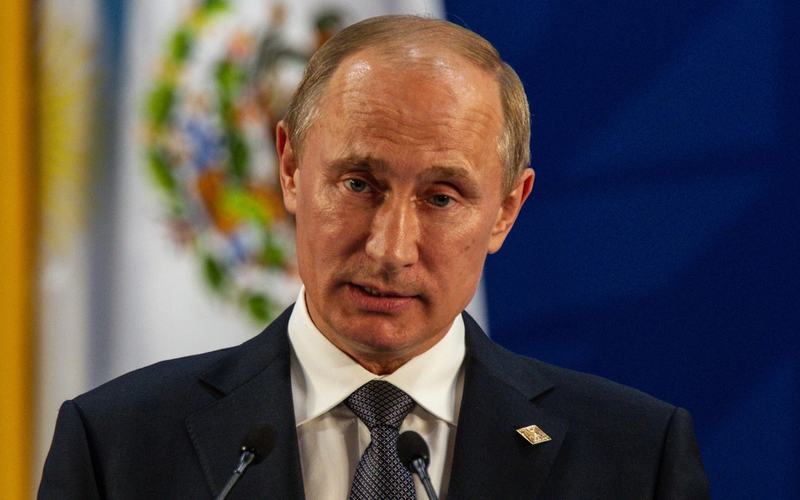
Russian President Vladimir Putin offered to mediate the ongoing US-Iran conflict during a phone call on Sunday with Iranian President Masoud Pezeshkian. The Kremlin stated that Putin emphasized Russia's willingness "to further facilitate the search for a political and diplomatic settlement to the conflict, and to mediate efforts to achieve a just and lasting peace in the Middle East."
The offer came hours after direct talks between the United States and Iran ended without agreement in Islamabad, Pakistan. The negotiations, which lasted 21 hours on Saturday, involved US Vice President JD Vance and Iranian officials including Parliamentary Speaker Mohammad Bagher Ghalibaf and Foreign Minister Abbas Araqchi. Key sticking points included Iran's nuclear program, ballistic missile capabilities, control of the Strait of Hormuz and support for regional proxies.
Vance said after the talks, "The bad news is that we have not reached an agreement, and I think that’s bad news for Iran much more than it’s bad news for the United States of America." Ghalibaf blamed the US for failing to build trust despite offering initiatives. The delegations departed Pakistan without a breakthrough, leaving a two-week ceasefire agreed on April 8 in place but fragile.
The ceasefire, brokered by Pakistan, required Iran to reopen the Strait of Hormuz, through which one-fifth of global oil passes. The US has begun clearing mines in the strait amid ongoing tensions.
Russia has positioned itself as a potential mediator since the war began on February 28, when the US and Israel launched airstrikes on Iranian military and nuclear sites, assassinating Supreme Leader Ali Khamenei and other officials. Iran responded with missile and drone attacks on US bases and Gulf states, closing the strait and causing oil prices to spike above $100 per barrel.
The conflict has resulted in thousands of deaths, primarily in Iran, where estimates range from 2,076 to over 7,650 killed and 26,500 injured. US losses include 15 soldiers killed, while Israel reported 40 deaths. Strikes have damaged oil infrastructure across the region, disrupted global energy supplies and cost the US over $18 billion in military spending by late March.
Putin has maintained contacts with regional leaders, including Gulf states, as Moscow seeks to de-escalate the situation through diplomacy. No immediate US response to the latest offer was available.

Comments
No comments yet. Be the first to share your thoughts.