
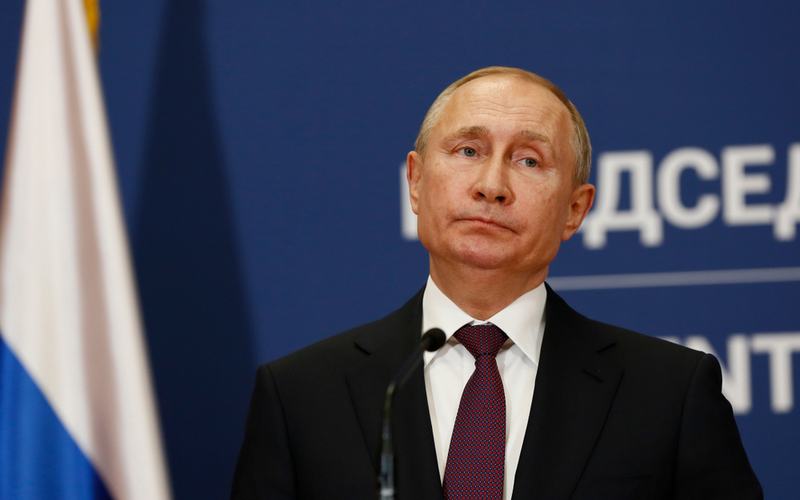
Russian President Vladimir Putin stated on March 4 that Moscow could halt natural gas supplies to Europe right now, redirecting them to more lucrative markets. Speaking to Kremlin correspondent Pavel Zarubin on state television, Putin described the idea as 'thinking out loud' and said he would instruct the government to assess the option with energy companies.
"Now other markets are opening up. And perhaps it would be more profitable for us to stop supplying the European market right now," Putin said, responding to the European Union's plans for a phase-out of Russian gas imports. The EU approved a ban on new short-term Russian LNG contracts starting April 25, 2026, followed by short-term pipeline gas on June 17, long-term LNG on January 1, 2027, and long-term pipeline gas by late 2027.
Russia's gas exports to Europe have plummeted since 2022. The country supplied about 40% of the EU's pipeline gas pre-war but only 6% last year, with Norway, the United States, and Algeria filling the gap. Putin noted Russia remains a reliable supplier to partners like Slovakia and Hungary.
The remarks coincide with global energy market turmoil from the Iran crisis. U.S. and Israeli strikes on Iran, followed by Tehran's attacks on Gulf states, closed the Strait of Hormuz, halted Qatar's LNG output, and shut Saudi Arabia's largest refinery, driving up oil and gas prices. Putin said new buyers are willing to pay premium prices due to these events, calling it 'just business.'
European gas benchmark TTF prices surged following Putin's comments and the Middle East disruptions but remained below recent peaks, with markets appearing to shrug off the threat. The EU warned members of soaring prices but reported no immediate supply risks and is monitoring closely.
Ukrainian officials labeled the statement 'Energy Blackmail 2.0,' accusing Russia of exploiting the crisis to pressure Europe into easing sanctions. Europe enters spring storage refill season, where any supply disruptions could raise costs, though Ukraine's imports now flow west-to-east via EU hubs.
Putin framed the potential shift as a response to EU 'misguided policies,' emphasizing opportunities in Asia, particularly China, as Europe reduces reliance on Russian energy.

Comments
No comments yet. Be the first to share your thoughts.