
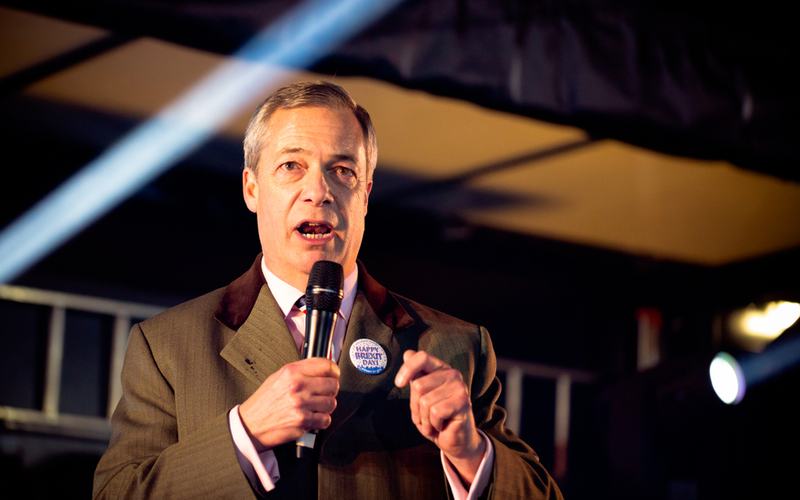
Reform UK leader Nigel Farage announced Tuesday a proposal to eliminate value-added tax (VAT) and green levies on household energy bills, arguing the move would save the average family about $250 per year. The plan comes as energy prices face upward pressure from global oil market tensions, including concerns tied to the Iran conflict.
Farage said the current 5% VAT on energy costs households roughly $100 to $110 annually, while additional green levies significantly increase bills. These include the Renewables Obligation, adding about $150 per year, and Carbon Price Support, which contributes roughly $20. Reform argues such charges account for about a quarter of total energy costs.
“Labour and the Conservatives have pursued a net zero agenda that has only led to skyrocketing energy bills for working people,” Farage said, criticizing what he described as repeated tax increases that ignore cost-of-living pressures. Reform Treasury spokesman Robert Jenrick called it “outrageous” that additional costs continue to be added to household bills.
The party says the policy would be cost-neutral over time by ending renewable energy subsidies currently funded through these levies. In the short term, Reform proposes offsetting the lost revenue through a 7.5% reduction in budgets for quasi-governmental organizations, projecting savings of about $3.2 billion by the end of the decade. The plan also calls for a broader audit to eliminate or consolidate such entities.
To draw attention to the proposal, Reform launched a promotional campaign offering to cover a full year of energy bills for a contest winner and their entire street, up to about $4,400 per household. The party said the initiative complies with election laws.
Supporters of the plan argue it prioritizes energy affordability and domestic production over net zero mandates, while critics contend it risks undermining long-term environmental goals. The UK government has already signaled it may shift some levies into general taxation starting in April, a move expected to temporarily lower bills before a scheduled price cap adjustment in July.
Opposition figures pushed back on the proposal. Liberal Democrat leader Ed Davey criticized Farage’s position, while Conservative shadow chancellor Sir Mel Stride argued similar ideas had already been proposed and questioned how the plan would be funded. Meanwhile, the government has announced about $67 million in additional support for vulnerable households relying on heating oil.
Reform has framed the proposal as part of a broader push to reduce reliance on foreign energy and ease financial pressure on working families, continuing its criticism of policies it says drive up costs without delivering immediate benefits.

Comments
No comments yet. Be the first to share your thoughts.