
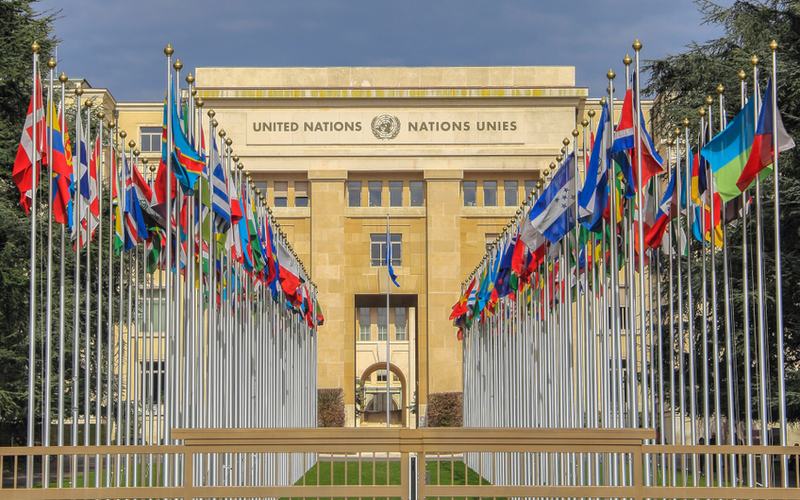
Russia and China vetoed a United Nations Security Council resolution on Tuesday that sought to enhance security for commercial shipping in the Strait of Hormuz, dealing a blow to international efforts just hours before President Donald Trump's deadline for Iran to reopen the vital waterway.
The 15-member council voted 11 in favor of the Bahrain-sponsored draft, with two abstentions from Colombia and Pakistan. The measure, backed by Jordan, Kuwait, Qatar, Saudi Arabia and the United Arab Emirates, strongly encouraged states to coordinate defensive efforts, including vessel escorts, to ensure safe navigation through the strait. It also demanded that Iran immediately cease attacks on shipping and any interference with freedom of navigation.
The text had been repeatedly watered down from earlier versions that called for authorizing "all necessary means," including potential military action, after objections from veto-wielding permanent members. Despite these compromises, Russia and China exercised their veto power.
Russia's Ambassador Vassily Nebenzia argued the resolution portrayed Iranian actions as the sole source of tensions while ignoring what he called illegal U.S. and Israeli attacks. China's Ambassador Fu Cong said the draft failed to address root causes comprehensively and would send the wrong message amid U.S. threats against Iran.
U.S. Ambassador Mike Waltz condemned the vetoes, stating, "The Strait of Hormuz is too vital to the world to be used as hostage, to be choked, to be weaponized by any one State." He accused Russia and China of siding with a regime that holds the global economy "at gunpoint" and brutalizes its own people.
Bahrain's Foreign Minister Abdullatif bin Rashid Al Zayani lamented the council's failure to act decisively against threats to international waterways. Iran's Ambassador Amir Saeid Iravani countered that the text would embolden aggressors while shielding them from accountability.
The Strait of Hormuz, a narrow passage between Iran, Oman and the United Arab Emirates, carries about one-fifth of global oil and liquefied natural gas trade. Iran largely closed it following U.S. and Israeli strikes at the end of February, amid escalating conflict now over five weeks old. Tehran has attacked merchant vessels and impeded navigation, surging oil prices and blocking humanitarian aid to crises in Gaza, Sudan and Congo.
The veto came hours before Trump's 8 p.m. EDT ultimatum for Iran to cease threats or face U.S. strikes on its power plants and bridges. White House Press Secretary Karoline Leavitt noted only the president knows the next steps. As of 8:04 p.m., Iran showed no sign of compliance, heightening risks of further escalation.
Waltz urged responsible nations to join the U.S. in securing the strait for lawful commerce and aid. Russia and China proposed an alternative resolution on broader Middle East maritime security, but its prospects remain unclear.

Comments
No comments yet. Be the first to share your thoughts.