
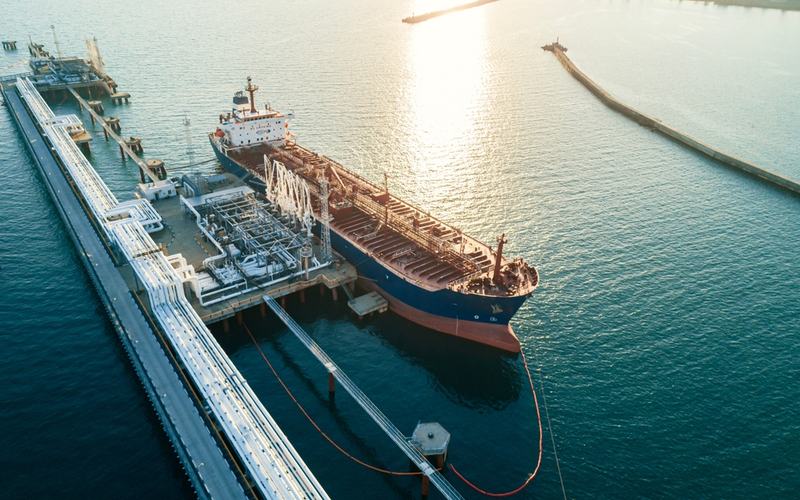
A Russian-flagged oil tanker arrived at Cuba's Matanzas port on Monday, delivering 730,000 barrels of crude oil after U.S. President Donald Trump approved its passage. The Anatoly Kolodkin, which departed Russia's Primorsk port on March 8, marked the first oil shipment to reach the island since January amid a severe energy crisis.
Speaking aboard Air Force One on Sunday, Trump stated he had "no problem" with countries sending oil to Cuba. "We have a tanker out there. We don’t mind having somebody get a boatload because they have to survive," he told reporters. "If a country wants to send some oil into Cuba right now, I have no problem with that, whether it’s Russia or not." Trump added that he preferred allowing it because "the people need heat and cooling and all of the other things that you need." He dismissed concerns about aiding Russia, saying Cuban President Vladimir Putin would only "lose one boatload of oil."
The tanker, sanctioned by the United States, European Union, and United Kingdom over Russia's war in Ukraine, carried about 100,000 metric tons of oil described by Moscow as humanitarian aid. Russia's Transport Ministry confirmed the arrival, while Kremlin spokesman Dmitry Peskov noted the issue had been raised in advance with U.S. counterparts. Peskov said Russia felt a "duty to step up and provide necessary assistance to our Cuban friends" and would continue working on further supplies given Cuba's desperate situation.
Cuba has endured widespread blackouts, fuel shortages, and hospital disruptions since the U.S. cut off Venezuelan oil supplies following the toppling of President Nicolás Maduro on January 3. The Trump administration had threatened tariffs on nations providing oil to Havana, prompting suppliers like Mexico to halt shipments. Earlier this month, the U.S. Treasury's Office of Foreign Assets Control excluded Cuba from waivers allowing certain Russian oil sales. Cuban President Miguel Díaz-Canel stated the island had not received a tanker in three months.
The shipment could power Cuba's plants for about a week, based on daily needs of around 100,000 barrels. While Trump criticized Cuba's "bad regime and very bad and corrupt leadership," his decision provided relief to civilians facing increased health risks from blackouts. U.S. Coast Guard permitted the vessel to proceed, signaling a temporary softening of the blockade.

Comments
No comments yet. Be the first to share your thoughts.