
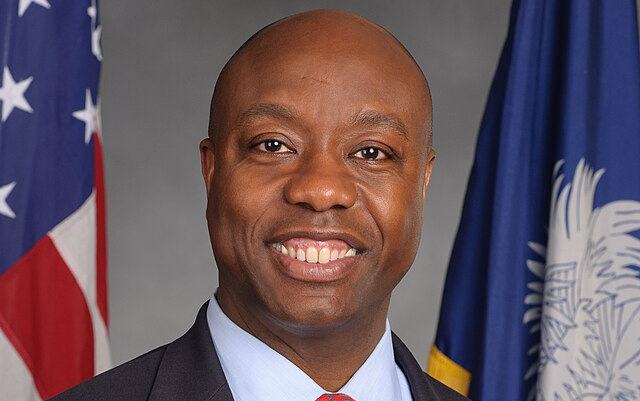
U.S. senators on the Senate Banking Committee unveiled draft text for the Digital Asset Market CLARITY Act in late January, aiming to create a comprehensive regulatory framework for cryptocurrencies. The bill, led by Chairman Tim Scott (R-S.C.), seeks to clarify whether crypto tokens qualify as securities or commodities and delineate authority between the Securities and Exchange Commission (SEC) and the Commodity Futures Trading Commission (CFTC).
Key provisions include granting the CFTC oversight of spot markets for digital commodities, imposing tailored disclosure requirements on intermediaries, and protecting decentralized finance (DeFi) activities while mandating risk management and compliance for centralized platforms. The legislation also addresses stablecoin rewards by prohibiting interest payments on passive balances to safeguard bank deposits, while permitting incentives for user activities like payments or loyalty programs, alongside joint SEC-CFTC disclosure rules.
Republican sponsors, including Sens. Cynthia Lummis (R-Wyo.), Thom Tillis (R-N.C.), Mike Crapo (R-Idaho), and others, described the bill as a step to position the United States as the 'crypto capital of the world' by balancing innovation, investor protections, and national security measures against illicit finance. It preserves anti-fraud authorities, limits insider trading, and targets money laundering and sanctions evasion.
Progress stalled after the introduction due to disputes between banks and crypto firms over stablecoin yield programs, which banks argued could trigger deposit flight from insured institutions. On March 20, Sens. Tillis and Angela Alsobrooks (D-Md.) announced an 'agreement in principle' with White House officials, resolving the core issue by barring yields on passive holdings while fostering innovation. Alsobrooks stated, 'We’ve come a long way,' emphasizing protection against deposit flight.
Sen. Lummis, subcommittee chairwoman, indicated on March 18 that negotiations were down to nuances, including the stablecoin compromise and resolved DeFi language, predicting a committee markup after the Easter recess and passage by year-end. Tillis noted the need to vet the deal with industry stakeholders.
The Senate Agriculture Committee advanced a related version in late January, and a House counterpart passed earlier. Crypto industry groups expressed optimism but urged refinements, while banks voiced financial stability concerns. Outstanding issues include a potential ethics provision from Sen. Kirsten Gillibrand (D-N.Y.) to bar officials from profiting in crypto.
Proponents argue the bill replaces the SEC's 'regulation-by-enforcement' approach with statutory clarity, potentially keeping innovation and jobs in the U.S. As talks advance, the CLARITY Act represents a potential breakthrough for the $2 trillion crypto sector amid ongoing regulatory uncertainty.

Comments
No comments yet. Be the first to share your thoughts.