
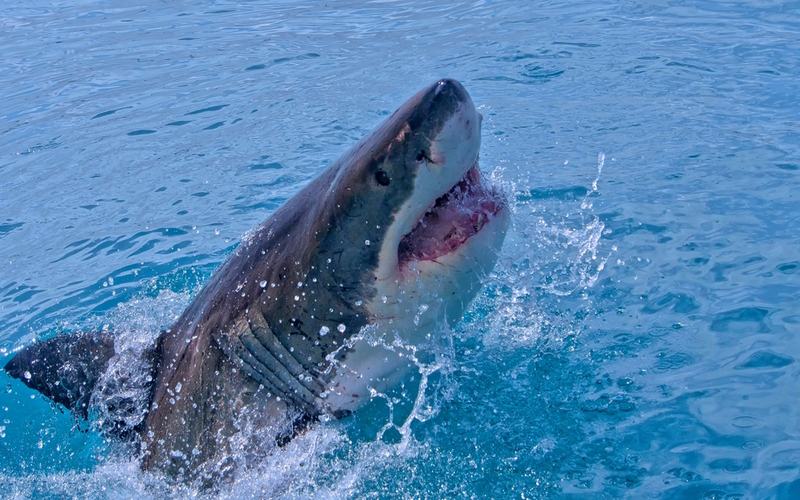
A new study has detected cocaine and other human-derived substances in sharks off the coast of Bermuda, according to research published in the journal Environmental Pollution. Scientists say the findings reflect increasing contamination of marine environments by pharmaceuticals and illicit drugs.
Among 85 specimens tested near the island of Eleuthera in the Bahamas, caffeine was the most common substance, followed by acetaminophen and diclofenac, active ingredients in over-the-counter painkillers. One baby lemon shark in a nursery creek also tested positive for cocaine after biting discarded drug samples.
“Pharmaceuticals and illicit drugs are increasingly recognized as contaminants of emerging concern in marine environments,” the study noted. Researchers attributed the exposure to human sewage, careless tourists, and drug trafficking in tropical waters. Study author Natascha Wosnick said the sharks investigate objects by biting them, which increases their exposure.
While sharks in other regions have previously tested positive for cocaine, this study marks the first detection in Bahamian waters. Experts warn that ingestion of these substances can harm wildlife and disrupt natural behavior.
The findings follow other high-profile cases of animals exposed to human drugs, including the 2023 film Cocaine Bear, inspired by a 1985 incident in Georgia where a black bear died after consuming a duffel bag of cocaine. Wildlife experts also report that other species, such as squirrels, are increasingly exposed to human toxins, including nicotine from discarded vaping devices.
The study underscores growing environmental concerns related to human activity in marine and coastal ecosystems, particularly in areas with heavy tourism.

Comments
No comments yet. Be the first to share your thoughts.