
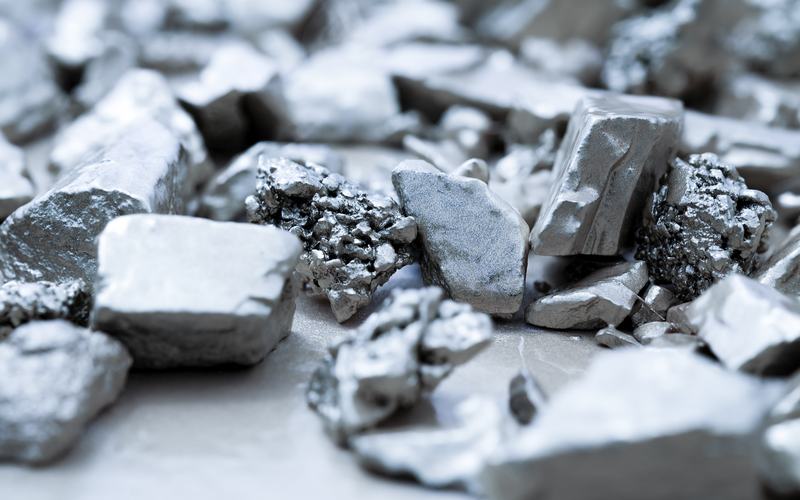
Silver prices surged to a record high of $110 an ounce, marking a dramatic breakout driven by a combination of inflation fears, industrial demand, and renewed investor appetite for hard assets. The milestone reflects growing uncertainty in global markets as traders seek protection from currency devaluation, rising debt levels, and geopolitical instability.
Analysts point to strong industrial demand, particularly from the renewable energy, electric vehicle, and semiconductor sectors, as a key driver behind silver’s rally. Unlike gold, silver plays a dual role as both a precious metal and an essential industrial input, and tightening supply has amplified price pressures. Mining output has struggled to keep pace with demand, while years of underinvestment have left inventories thin, making the market especially sensitive to shocks.
The surge also carries broader market implications, as rising silver prices often signal stress in fiat currencies and growing skepticism about long-term fiscal discipline. Some economists note that silver’s outsized move, outpacing gold, suggests speculative momentum mixed with genuine supply-demand imbalance, raising volatility risks ahead. Still, proponents of hard assets argue the breakout reinforces silver’s role as a strategic hedge in an era of heavy government spending, elevated debt, and persistent inflationary pressures.

Comments
No comments yet. Be the first to share your thoughts.