
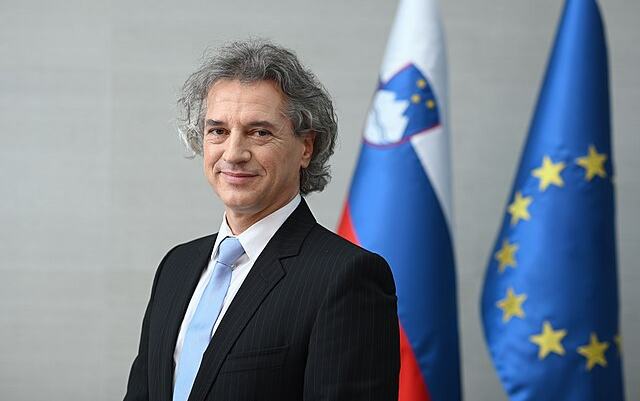
Slovenian Prime Minister Robert Golob's liberal Freedom Movement party narrowly won the most seats in the country's parliamentary election held on Sunday, March 22, edging out the right-wing populist Slovenian Democratic Party led by former Prime Minister Janez Janša.
With 99.98 percent of votes counted, the Freedom Movement received 28.63 percent of the vote, translating to 29 seats in the 90-seat National Assembly. The SDS followed closely with 27.95 percent and 28 seats. Voter turnout rose slightly to 69.43 percent from the previous election.
Golob claimed victory late Sunday, telling supporters, "We are moving forward, and that is what counts the most. In the next term, we will do everything to make the future better for all citizens." No party reached the 46 seats needed for a majority, leaving coalition negotiations ahead. The left-leaning bloc around the Freedom Movement holds about 40 seats, while the right-leaning bloc led by the SDS has around 43.
Other parties crossing the 4 percent threshold include an alliance of New Slovenia, Slovenian People's Party, and Focus with 9.29 percent and 9 seats; the Social Democrats with 6.71 percent and 6 seats; the Democrats with 6.69 percent and 6 seats; the Left and Green Party Vesna alliance with 5.58 percent and 5 seats; and Resni.ca with 5.52 percent and 5 seats.
The result marks a significant drop for Golob's party from its 2022 landslide, when it won 34.45 percent and 41 seats, ousting Janša. The SDS, meanwhile, gained ground from 23.48 percent and 27 seats that year.
The campaign focused less on economic issues and more on allegations of foreign interference. Leaked audio and video recordings suggested corruption in Golob's government, linked to Israeli firm Black Cube, which allegedly conducted surveillance. Authorities confirmed a Black Cube representative visited SDS headquarters. Janša denied hiring the firm. Golob called the interference a "hybrid threat" to the EU.
The election, scheduled after the four-year term from 2022 expired, tested Slovenia's pro-EU liberals against Janša's conservative platform promising lower taxes. Smaller parties now hold kingmaker roles in forming the next government.
President Nataša Pirc Musar announced the vote date in December 2025. Results remain near-final as of Monday evening, with formal coalition talks expected soon.

Comments
No comments yet. Be the first to share your thoughts.