
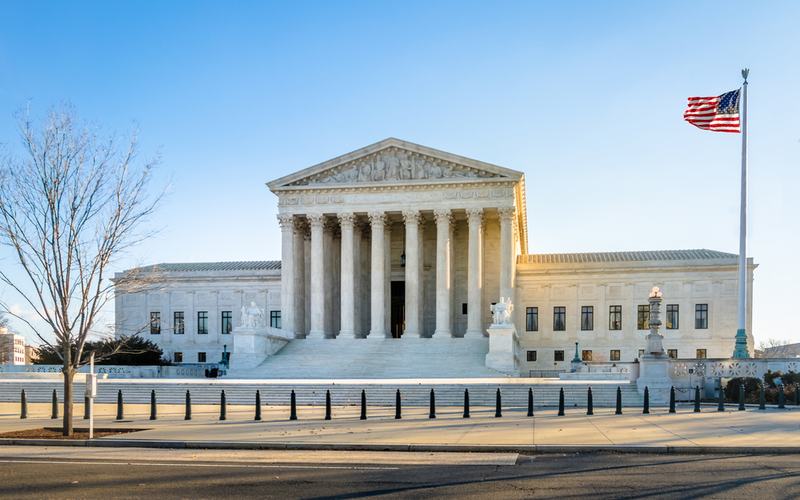
The U.S. Supreme Court ruled 6-3 on April 29 that Louisiana's congressional map, which included two majority-Black districts, constituted an unconstitutional racial gerrymander. Justice Samuel Alito wrote for the majority that the Voting Rights Act's Section 2 did not require the state to draw a second such district, providing no compelling interest to justify the use of race in redistricting. The decision affirmed a lower court's block on the map's use in future elections.
Justice Elena Kagan dissented, arguing the ruling imposed new burdens on Section 2 claims, effectively requiring proof of discriminatory intent and undermining protections against vote dilution. The map in question, enacted in 2024, had created a second majority-Black district following a prior court order, but challengers contended it prioritized race over traditional districting criteria.
Republican officials in several Southern states quickly moved to capitalize on the ruling, calling special sessions to redraw congressional maps ahead of the 2026 midterms. Florida's Republican-controlled legislature approved a new map hours after the decision, awaiting Gov. Ron DeSantis' signature. The proposal aims to reshape districts in areas like Tampa, Orlando, and southeastern Florida, potentially adding up to four Republican seats to the current 20-8 GOP advantage.
In Louisiana, Gov. Jeff Landry issued an executive order suspending U.S. House primaries originally set for May 16, while early voting for other races began Saturday. State leaders are reviewing options to enact a new map or revert to the prior one with a single majority-Black district, which could favor Republicans in five of six seats. Democrats filed suit challenging the suspension.
Alabama Gov. Kay Ivey called a special legislative session for Monday to prepare for potential map changes, including scheduling special primaries if needed. The state currently sends five Republicans and two Democrats to Congress under a court-drawn map with two districts featuring predominantly Black electorates. Attorney General Steve Marshall plans to apply the ruling to ongoing litigation.
Tennessee Gov. Bill Lee convened lawmakers for Tuesday to review districts, targeting the Democratic-held 9th District around Memphis. The state delegation stands at eight Republicans and one Democrat. Mississippi Gov. Tate Reeves scheduled a session around May 20, primarily for state Supreme Court districts but with possible congressional implications.
House Speaker Mike Johnson and former President Donald Trump urged Southern states to act, with analysts estimating potential Republican gains of one to nine seats across these states if maps survive challenges. Legal experts note timelines pose hurdles, including past filing deadlines and the Purcell principle against late changes near elections. Democrats warn of reduced minority representation.
The moves reflect mid-decade redistricting spurred by litigation, unusual outside of census cycles. Observers expect court battles over any new maps.

Comments
No comments yet. Be the first to share your thoughts.