
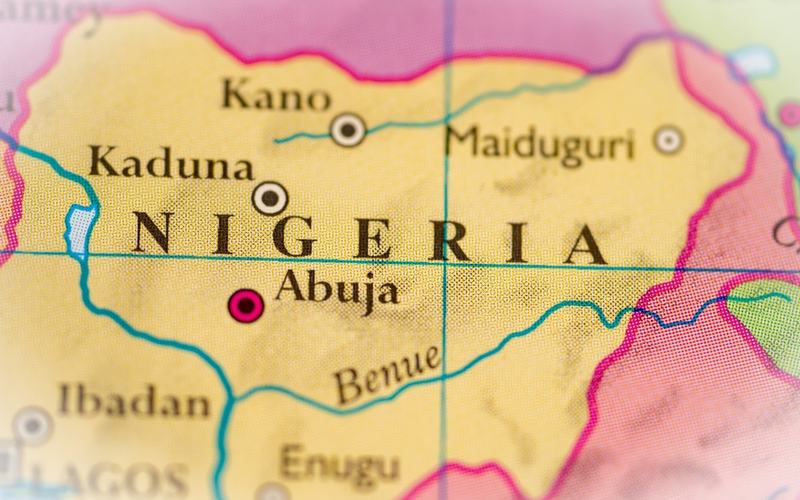
Suspected suicide bombers killed at least 23 people and wounded 108 others in coordinated attacks on crowded locations in Maiduguri, the capital of Nigeria's northeastern Borno State, on Monday night.
The blasts targeted the city's post office, a popular Monday market nearby, and the entrance to the University of Maiduguri Teaching Hospital, according to police and emergency officials. A fourth explosion occurred in the eastern Kaleri neighborhood. Borno State police spokesperson Nahum Kenneth Daso confirmed the toll in a statement Tuesday, saying a preliminary investigation pointed to suicide bombers. "Regrettably, a total of 23 persons lost their lives, while 108 others sustained varying degrees of injuries," Daso said.
Witnesses described chaotic scenes at the sites. Bagoni Alkali, who was near the hospital, reported seeing numerous casualties rushed to emergency wards. "Many lost their lives at the scene immediately after the bomb exploded," Alkali said. Volunteer Mohammed Hassan helped evacuate victims and noted the dire need for blood donations. The attacks marked one of the deadliest incidents in Maiduguri in years, shattering a period of relative calm in the heavily fortified city.
No group has claimed responsibility, but the tactics bore the hallmarks of Boko Haram, the Islamist insurgent group that launched a 17-year uprising in northeastern Nigeria starting in Maiduguri in 2009. The violence has killed tens of thousands and displaced over 2 million people. A splinter faction, Islamic State West Africa Province (ISWAP), has also been active. Analysts noted the resilience of these jihadists despite military campaigns. The Armed Conflict Location & Event Data Project (ACLED) described Monday's bombings as the deadliest suicide attack in Nigeria in seven years.
The assaults came amid heightened jihadist activity during the Muslim holy month of Ramadan, which was nearing its end. Nigeria's military reported foiling four attempted attacks outside Maiduguri earlier that day and had warned of increased suicide threats from Boko Haram and ISWAP. Recent operations targeted strongholds like Sambisa Forest, but experts said militants retain the ability to regroup and strike urban areas, exposing intelligence gaps.
President Bola Tinubu condemned the bombings as "an act of terror" and directed security chiefs to Maiduguri to oversee operations. He approved additional equipment for the armed forces, vowing to "completely defeat" the militants. Borno Governor Babagana Zulum called the attacks "barbaric and inhumane." Security forces swiftly deployed explosives clearance teams, tightened patrols, and urged residents to stay vigilant. Hospitals treated the wounded, with NEMA coordinating emergency responses.
Maiduguri, home to military headquarters for counter-insurgency efforts, had seen fewer attacks in urban areas since peaking in the mid-2010s. The last major suicide bombing was in 2021. However, rural violence persists, with jihadists seizing weapons from bases and expanding influence. Security sources highlighted U.S. support, including recent airstrikes and intelligence sharing, but analysts warned of potential further bombings in less-protected areas.

Comments
No comments yet. Be the first to share your thoughts.