
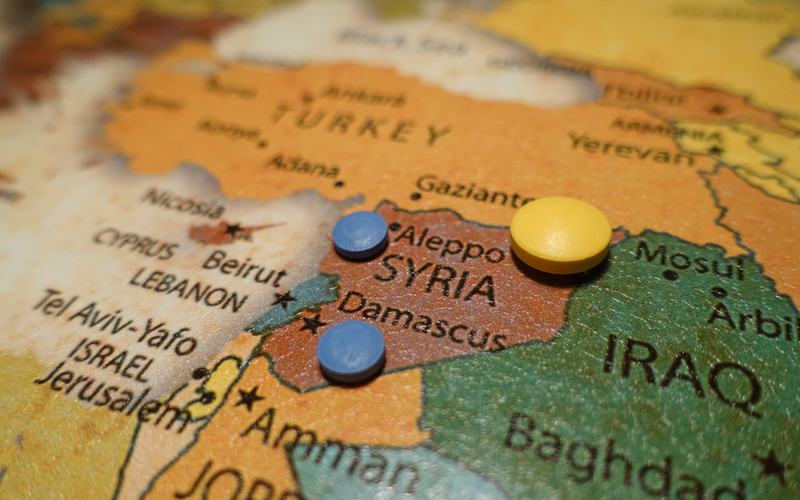
Syrian officials confirmed a mass escape from al-Hol camp, a facility housing relatives of Islamic State fighters, occurred last month following the withdrawal of Kurdish-led Syrian Democratic Forces.
The Interior Ministry identified at least 133 breaches along the camp's 17-kilometer perimeter, with many escapes happening during clashes between government forces and the SDF that ended in a ceasefire. Interior Ministry spokesperson Noureddine al-Baba stated that Syrian troops found the camp's internal barriers and checkpoints opened haphazardly upon arrival. "We observed cases of mass escape resulting from the opening of internal berms and checkpoints of the camp," al-Baba said.
Al-Hol, located in Hasakah province near the Iraqi border, held around 23,500 to more than 30,000 residents before the incident, mostly women, children and elderly relatives of ISIS members, including Syrians, Iraqis and about 6,500 from 44 other countries. The camp, under SDF control since ISIS's 2019 territorial defeat, had long faced criticism for poor conditions.
The SDF pulled out on January 20 without coordinating with Damascus or the U.S.-led anti-ISIS coalition, citing attacks by government-aligned forces. The SDF accused Damascus factions of entering the camp and facilitating releases, calling the Interior Ministry's account misleading. Syrian forces took control on January 21.
Exact escapee numbers remain unclear. U.S. intelligence agencies estimated 15,000 to 20,000 people, including ISIS affiliates, are now at large, according to reports citing the Wall Street Journal. Syrian authorities said they recaptured most and transferred 1,100 families to a new camp in Aleppo province, with about 5,000 unaccounted for, possibly scattered in rural areas or smuggled out.
Authorities closed al-Hol this week after emptying it, moving remaining residents to Akhtarin camp for better aid access and rehabilitation. The incident raises security fears of ISIS resurgence amid Syria's post-Assad transition under President Ahmad al-Sharaa, who joined the anti-ISIS coalition last November. Earlier this year, the U.S. transferred over 5,700 ISIS suspects from Syrian prisons to Iraq.
European diplomats expressed concern over third-country nationals who fled, while countries like Australia have refused repatriation of ISIS-linked citizens. The escapes highlight vulnerabilities in detaining ISIS families after years of international reliance on the SDF.

Comments
No comments yet. Be the first to share your thoughts.