
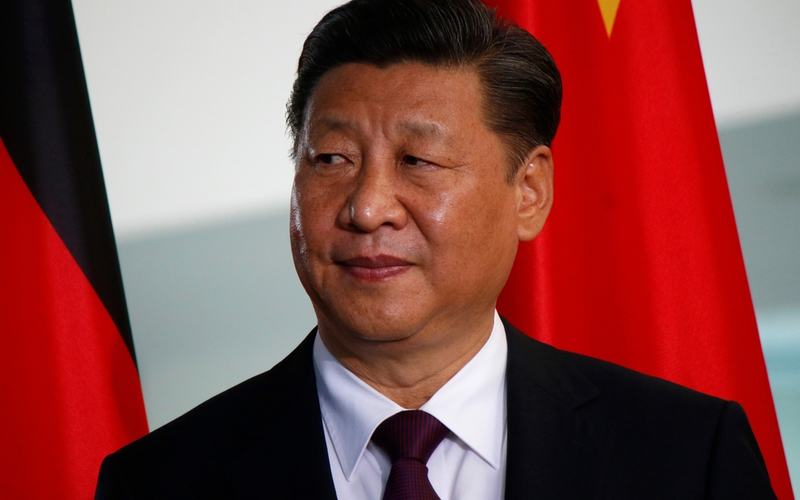
Taiwan's main opposition leader, Kuomintang chairperson Cheng Li-wun, met Chinese President Xi Jinping in Beijing on Friday, marking the first such high-level encounter in more than a decade. The meeting took place at 11 a.m. in the East Hall of the Great Hall of the People.
Xi told Cheng that compatriots on both sides of the Taiwan Strait are "all Chinese - people of one family who want peace, development, exchange, and cooperation." He stressed that China "will absolutely not tolerate independence for Taiwan," calling it the "chief culprit in undermining peace in the Taiwan Strait." Xi expressed confidence that Taiwan will reunify with the mainland, saying the trend of people "walking nearer, closer, and together will not change. This is a historical necessity."
Cheng, who leads the Beijing-friendly Kuomintang party, described her trip as a "journey for peace." She affirmed support for the 1992 Consensus, under which both sides agree there is one China but differ on its meaning, and opposed Taiwan independence to prevent war. "We will seek systemic solutions to prevent and avoid war," she said, adding that both parties should ensure "the Taiwan Strait will no longer be a flash point with the possibility of conflict, and will not become a chess piece played by the outside world." Cheng invited Xi to visit Taiwan in the future.
The meeting capped the first leg of Cheng's six-day visit to China, which began April 7. She arrived in Shanghai, traveled to Nanjing to pay respects at Sun Yat-sen Mausoleum, and engaged with business leaders and tech firms in Shanghai, including Meituan and Comac aircraft manufacturer. At Yangshan Port, she remarked that "the birds that fly in the sky should be birds, not missiles; the fish that swim in the sea should be fish, not warships."
Cheng was elected KMT chairperson in 2025. The party, which retreated to Taiwan in 1949 after losing the Chinese civil war to the Communists, traditionally favors engagement with Beijing. The last KMT leader to meet Xi was Eric Chu in 2015. Beijing cut off official communications with Taipei after the Democratic Progressive Party took power in 2016, refusing talks with President Lai Ching-te, whom it labels a separatist.
Taiwan President Lai has urged the KMT-dominated legislature to approve his special defense budget, including for air defenses, which the opposition has blocked. Lai stated that "compromising with authoritarian regimes only comes at the cost of sovereignty and democracy." China claims Taiwan as its territory and has intensified military drills near the island while eroding its diplomatic allies.
Both leaders called for dialogue and peace amid ongoing tensions. The visit occurs as Beijing seeks to influence Taiwan's politics ahead of uncertain U.S. alliances under President Trump.

Comments
No comments yet. Be the first to share your thoughts.