
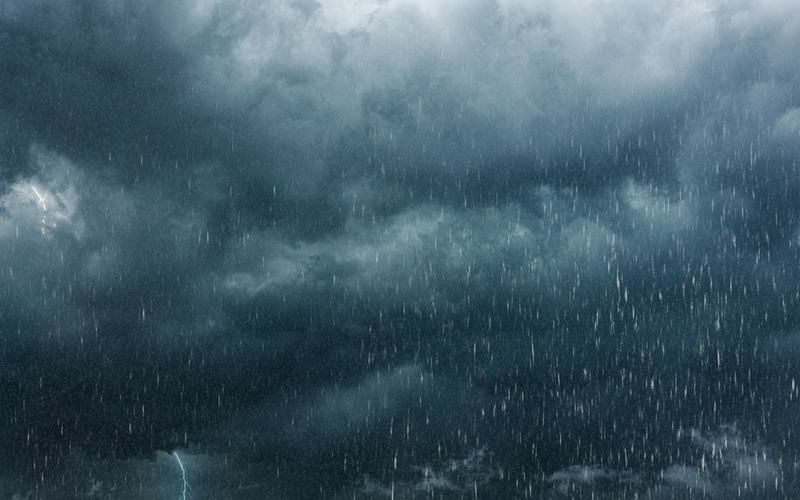
Tehran residents awoke Sunday to black rain falling from smoke-choked skies after Israeli airstrikes targeted multiple oil depots around the city the night before. The strikes hit facilities including the Aqdasieh oil warehouse in northeast Tehran, the Shahran depot to the north, a southern refinery, and sites in Shah-e Rey and Karaj province.
The Israeli military claimed responsibility, stating that the depots supplied fuel to the Islamic Revolutionary Guard Corps military infrastructure. Fires raged for hours, producing thick plumes of black smoke that blanketed the capital of nearly 10 million people and led to oily, contaminated rainfall dozens of miles away. Iran's Red Crescent Society issued urgent Telegram alerts warning that the precipitation contained toxic hydrocarbon compounds, sulfur dioxide, and nitrogen oxides, potentially forming acid rain that could cause skin burns and severe lung damage.
Officials advised residents to stay indoors, seal windows with damp cloths, bag contaminated clothing, and avoid air conditioners or outdoor exposure after rain. Tehran Governor Mohammad Sadegh Motamedian urged mask-wearing outdoors, while the environmental agency echoed calls to limit exposure amid risks of respiratory irritation, asthma exacerbation, and long-term health issues.
Eyewitnesses described apocalyptic scenes: streets coated in soot, cars stained black like paint, and a burning smell permeating the air. "The rain is black, I can't believe it," said Kianoosh, a 44-year-old engineer. Teacher Leila, 27, reported unbreathable air feeling like "diluted tear gas," with sore skin and headaches after brief exposure. Restaurant owner Mehdi noted, "We are so scared to even clean the windows and balconies. There’s soot everywhere."
At least four to six personnel, including tanker drivers, were killed at the sites, with 20 wounded, according to Iranian reports. Fuel distribution faced disruptions, with rations limited to five to 20 liters per vehicle and long queues forming amid shortages. The attacks exacerbated global oil market volatility, pushing Brent crude above $92 a barrel and U.S. gasoline to $3.45 per gallon.
The strikes form part of a U.S.-Israeli campaign launched after the February 28 killing of Supreme Leader Ayatollah Ali Khamenei, amid exchanges of missile fire. Iran has retaliated against Israel, U.S. bases, and Gulf targets like Bahrain's desalination plant. Iranian officials, including Parliament Speaker Mohammad Bagher Qalibaf, warned of continued economic pain from soaring oil prices. As of Monday afternoon, smoke lingered over Tehran, with health alerts ongoing.

Comments
No comments yet. Be the first to share your thoughts.