
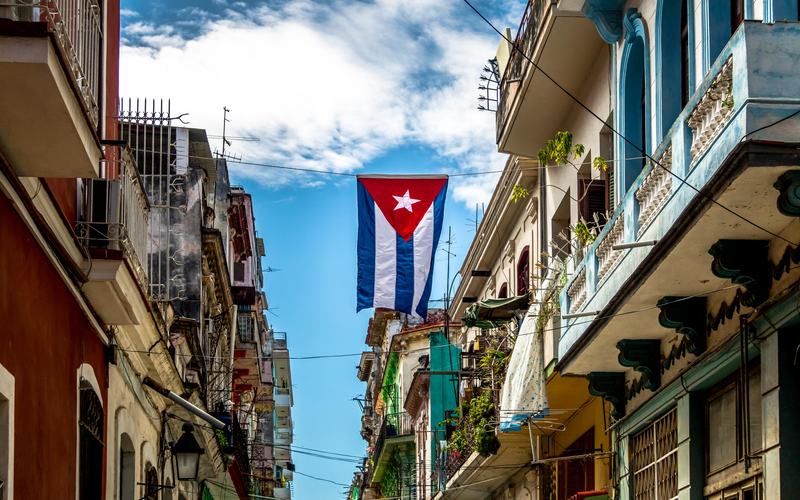
The Trump administration is seriously considering a naval blockade to halt oil imports to Cuba, part of an escalating pressure campaign aimed at economically squeezing the Communist regime and undermining its strategic alliances.
According to multiple reports, Trump’s national security team is debating the imposition of a total naval blockade on crude oil shipments to Cuba—a significant escalation beyond existing sanctions. The idea, discussed within the administration and reportedly backed by some senior officials including Secretary of State Marco Rubio, would target tankers bound for Cuban ports, using U.S. naval assets to intercept or divert deliveries to choke off a lifeline for the island’s energy-dependent economy.
Cuba relies heavily on imported oil for electricity generation, transportation, and industrial activity. Historically, much of its supply came from Venezuela; that flow has effectively stopped following U.S. pressure on Caracas and the capture of Venezuelan President Nicolás Maduro. With Venezuelan oil cut off, Mexico has become a key alternate supplier under review amid concerns that Washington could exert further pressure on its shipments to Havana.
Supporters within the Trump administration argue that a blockade would cripple Cuba’s already fragile economy and force political concessions—or even regime change—by depriving the Communist leadership of the very energy it needs to function. Backers frame the proposal as consistent with a broader “maximum pressure” posture that has already targeted remittances, tourism revenue, and financial flows to Havana.
However, sources familiar with the discussions emphasize that no final decision has been made. Some officials have expressed concern about the potential humanitarian fallout and the legal ramifications of a blockade, which Cuba has denounced as an act of war or “international piracy.” Critics argue that a full blockade could deepen a humanitarian crisis, exacerbate blackouts and shortages, and strain relations with neighboring countries and international partners.
The possible naval blockade reflects an administration willing to explore hardline tactics to confront Communist regimes in America’s backyard. If implemented, it would mark one of the boldest U.S. actions against Cuba in decades and signal an unapologetic application of economic and military leverage to achieve strategic objectives in the Western Hemisphere.

Comments
No comments yet. Be the first to share your thoughts.