
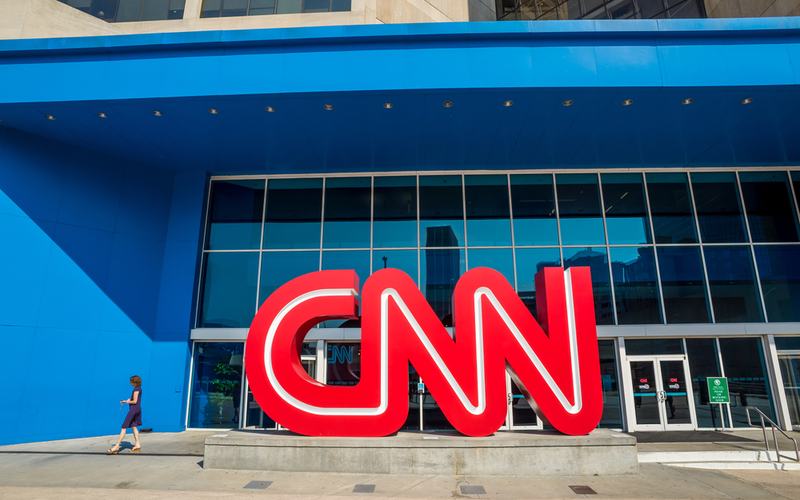
President Donald Trump on Tuesday night called on CNN to issue a formal apology over what he described as inaccurate reporting related to Iran, warning that authorities may examine whether the network’s actions warrant further scrutiny.
In a series of posts on Truth Social, Trump accused CNN of using a “false and dangerous statement” concerning Iran’s position during sensitive ceasefire negotiations. He claimed the report misrepresented comments attributed to Iranian leadership and relied on questionable sourcing.
“The alleged statement put out by CNN World News is a fraud,” Trump wrote, asserting that the network based its reporting on an unreliable outlet and presented it as legitimate. He added that the situation could have broader implications, stating that officials are reviewing whether any laws were broken or if the issue stemmed from an internal failure at the network.
Trump further argued that the reporting risked escalating tensions at a critical moment, as the United States works to finalize a temporary ceasefire agreement with Iran. He called on CNN to retract the report and issue a full apology, repeating his claim that the statement attributed to Iranian officials was fabricated.
The controversy stems from coverage suggesting that Iran viewed recent developments as a strategic victory following Trump’s decision to delay further military action and pursue negotiations. While CNN has said its reporting was based on Iranian state media and official statements, the administration and its allies have disputed that characterization.
Federal Communications Commission Chairman Brendan Carr criticized the network’s conduct, saying that inaccurate reporting during a sensitive geopolitical situation raises serious concerns. White House press secretary Karoline Leavitt also pushed back on the narrative, describing the ceasefire framework as a win for the United States and rejecting claims that Iran had gained leverage.
CNN, for its part, defended its reporting, maintaining that it relied on multiple sources tied to Iranian officials and state-run outlets.
The dispute highlights ongoing tensions between the Trump administration and major media organizations, particularly as coverage intensifies around U.S. foreign policy decisions and negotiations with Iran.

Comments
No comments yet. Be the first to share your thoughts.