
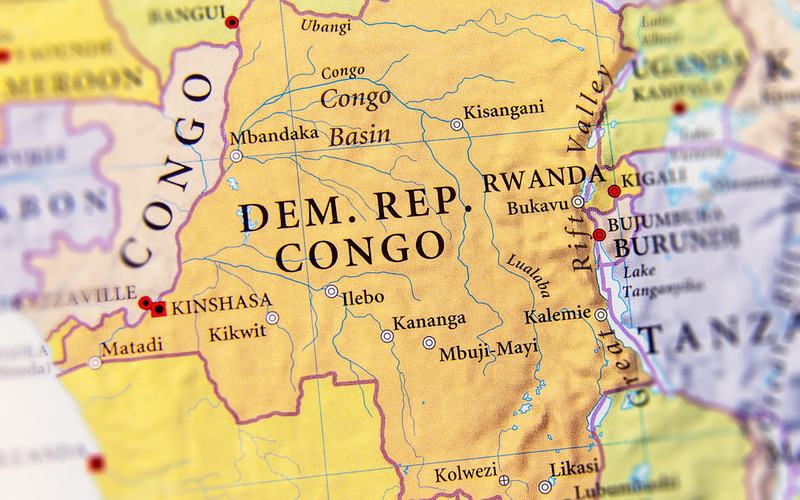
President Donald Trump is in talks to relocate as many as 1,100 Afghans who aided U.S. forces during two decades of war to the Democratic Republic of Congo, according to a U.S. aid worker briefed on the discussions.
The group, currently living in limbo in Qatar after evacuation in 2021, includes military interpreters, former Afghan Special Operations forces members and family members of American service members, among them more than 400 children. They have been there for over a year following the U.S. withdrawal from Afghanistan.
Shawn VanDiver, president of the aid group AfghanEvac, said State Department officials informed him of the plan, under which the Afghans would choose between resettlement in the DRC or return to Taliban-controlled Afghanistan. "We think this is just them wanting to send these people back to Afghanistan, where they know they will face certain death," VanDiver said. He noted the DRC already hosts more than 600,000 refugees from neighboring countries and faces its own humanitarian crises amid ongoing conflicts.
The proposal comes after the Trump administration halted a U.S. resettlement program for these Afghan allies. It builds on a recent agreement between the U.S. and DRC, announced April 5, under which Congo agreed to accept third-country deportees from the United States. The first group of more than 30 such migrants from Latin American countries arrived this week, housed temporarily near Kinshasa's airport with U.N. assistance.
Senator Tim Kaine, a Virginia Democrat, condemned the reports as "insane." "Our Afghan allies provided critical support to U.S. forces for over 20 years, but the Trump-Vance Administration has turned its back on them," Kaine said in a statement today. He argued the U.S. has a moral and strategic obligation to honor promises made to those who assisted American efforts.
The White House and State Department did not immediately respond to requests for comment on the talks. The plan has drawn criticism from advocates who question the DRC's capacity to absorb additional arrivals amid its instability, poverty and conflicts involving Rwanda-backed rebels.

Comments
No comments yet. Be the first to share your thoughts.