
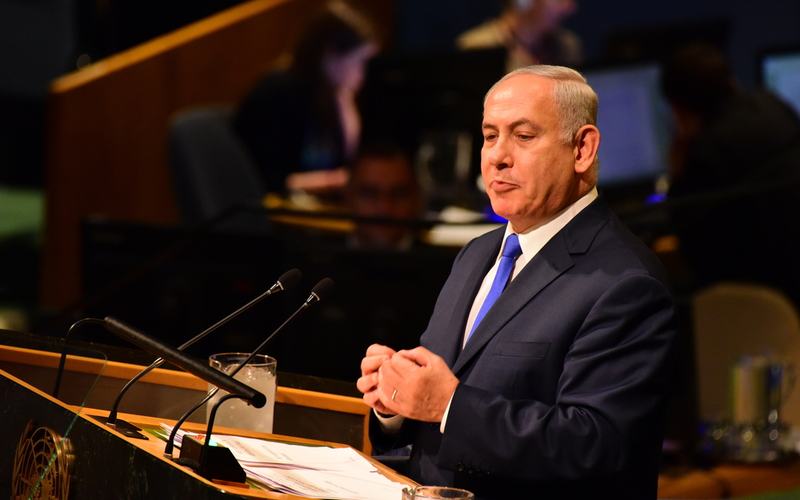
President Donald Trump confirmed Thursday that he urged Israeli Prime Minister Benjamin Netanyahu to tone down Israel's bombing campaign in Lebanon to safeguard a fragile two-week ceasefire with Iran.
In a phone interview with NBC News, Trump said he spoke with Netanyahu the previous day and that the Israeli leader agreed to take a more restrained approach. "I spoke with Bibi, and he’s going to low-key it. I just think we have to be sort of a little more low-key," Trump stated. He added that Netanyahu would "low-key a little bit" while addressing the Hezbollah threat but would be "absolutely fine."
The request comes amid tensions over whether the U.S.-Iran truce, announced Tuesday, encompasses Israel's operations against Hezbollah in Lebanon. Trump and Netanyahu maintain that Lebanon falls outside the agreement, while Iran and mediator Pakistan insist it includes a halt to Israel-Hezbollah fighting. Iran has warned of "strong responses" to continued strikes and maintained its closure of the Strait of Hormuz, disrupting global shipping.
On Wednesday, Israel launched its largest assault yet on Lebanon, striking more than 100 Hezbollah-linked sites across the country in just 10 minutes. Lebanon's health ministry reported over 300 killed and more than 1,100 wounded in the attacks, primarily in Beirut and southern areas, marking the deadliest day since the current Israel-Hezbollah war began last month. The Israeli military claimed the strikes targeted Hezbollah infrastructure and killed a top aide to the group's leader.
Hours after Trump's call, Netanyahu announced that his government would pursue direct negotiations with Lebanon "as soon as possible" to disarm Hezbollah and foster peaceful relations between the neighbors. The talks, expected next week in Washington and facilitated by U.S. ambassadors, signal a potential diplomatic pivot, though Netanyahu emphasized Israel would continue striking Hezbollah until northern Israeli security is restored. The State Department confirmed it would host ceasefire discussions between Israel and Lebanon.
The latest escalation follows Israel's renewed campaign against Hezbollah, which began on March 2 after U.S. and Israeli airstrikes on Iran. Hezbollah, backed by Iran, has fired rockets into Israel, prompting the cross-border operations. No new strikes on Iran have been reported since the ceasefire took effect, but the Lebanon fighting has strained the truce.
Trump expressed optimism about broader peace prospects, stating he is "very optimistic" about a long-term deal with Iran and upcoming talks in Pakistan. Vice President JD Vance described Iran's interpretation of the ceasefire as a "legitimate misunderstanding" and noted Israel's willingness to show restraint in Lebanon to support U.S. negotiations. European leaders, including Britain's foreign secretary, urged adherence to the ceasefire and reopening of the Strait of Hormuz.
Lebanon has not yet responded to the talks proposal, and Iranian officials continue to condition Strait access on an end to attacks on Lebanon. As of Thursday evening, the situation remained fluid with no further major strikes reported.

Comments
No comments yet. Be the first to share your thoughts.