
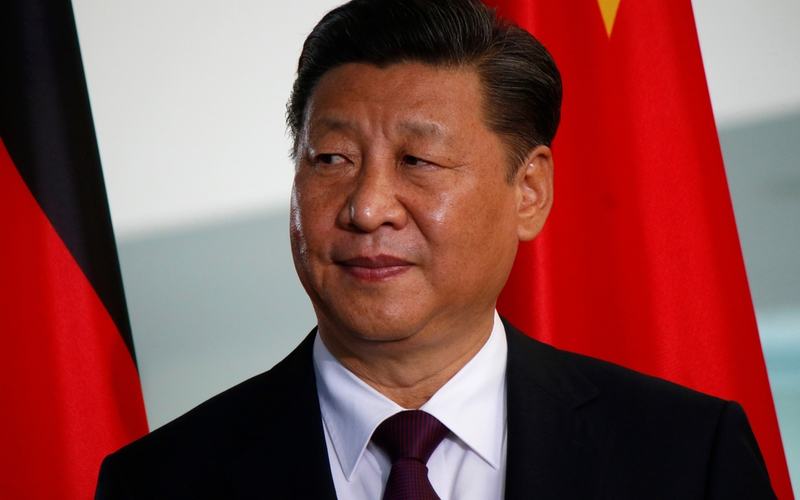
With less than three weeks remaining until President Donald Trump visits Beijing, Chinese officials have grown frustrated by the unclear U.S. agenda for his summit with President Xi Jinping. The meeting, scheduled for March 31 to April 2, marks the first in-person encounter between the leaders since they agreed to a yearlong trade truce during an October 2025 gathering in Busan, South Korea.
Beijing has expressed irritation at the Trump administration's delayed planning, which contrasts with more structured preparations for Trump's 2017 China trip that included advance visits by top U.S. officials months ahead. A lower-level U.S. advance team arrived in Beijing earlier this month, but the White House has provided few details on Trump's expectations or desired outcomes. Wu Xinbo, director at Fudan University’s Center for American Studies, noted that planning typically begins months in advance but has progressed slowly this time, leaving uncertainty about the visit's commercial or diplomatic achievements.
From China's perspective, Taiwan ranks as the top priority, with Foreign Minister Wang Yi emphasizing it as a core interest and urging caution on U.S. arms sales during a February phone call between the presidents. Trade issues, including extension of the truce, Chinese purchases of U.S. agricultural products and Boeing aircraft, and rare earth exports, are also on the table. Potential business deals could involve China ordering around 500 Boeing jets, Nvidia exporting advanced chips to nonmilitary firms, and increased Chinese investment in U.S. electric vehicles, batteries, and artificial intelligence.
U.S. Trade Representative Jamieson Greer described the summit's goal as maintaining stability and ensuring China fulfills commitments like buying American goods and supplying rare earths. The White House has not invited a delegation of American CEOs, a departure from past practice that underscores a focus on managed trade over broad commercial outreach. Analysts expect no major breakthroughs, given ongoing frictions over tariffs, including a potential 10% fentanyl-related levy, and investment protections.
Ahead of the summit, U.S. Treasury Secretary Scott Bessent is set to meet Chinese Vice Premier He Lifeng in Paris this weekend to discuss trade deliverables. Wang Yi has called for thorough preparations to manage differences and positioned 2026 as a potential landmark year for bilateral ties. Recent signs of de-escalation, such as reduced Chinese military flights near Taiwan, may signal Beijing's efforts to foster a positive atmosphere.
The summit occurs amid broader global tensions, including U.S. military actions against Iran, but both sides appear intent on prioritizing economic stability over confrontation.

Comments
No comments yet. Be the first to share your thoughts.