
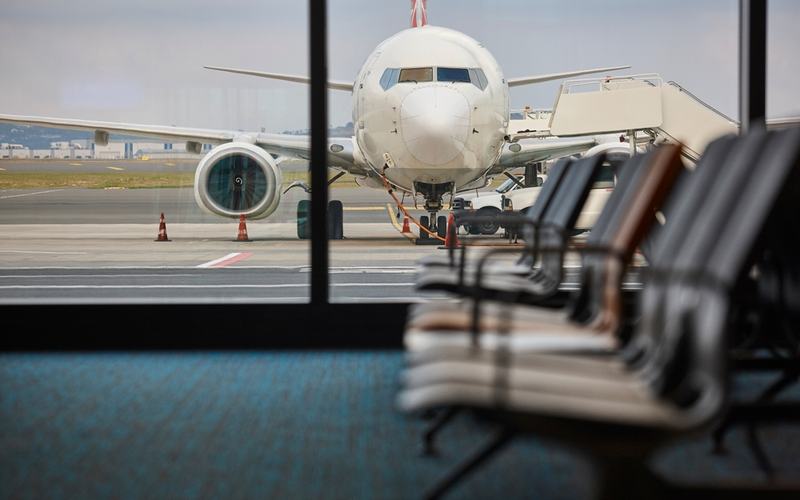
Air travel disruptions are escalating across the United States as a prolonged Department of Homeland Security funding lapse continues to impact the Transportation Security Administration, creating staffing shortages and raising concerns about potential airport shutdowns.
The disruption is already visible at major airports. Hartsfield-Jackson Atlanta International Airport reported security wait times exceeding two hours शनिवार, while similar delays were seen at New York’s LaGuardia. John F. Kennedy International and Newark Liberty International airports also reported extended lines, with wait times surpassing 35 minutes. Other major hubs, including Houston, Chicago, Dallas, Denver, Orlando, and Philadelphia, have experienced delays stretching beyond three hours.
The issue stems from widespread absenteeism among TSA officers, many of whom have gone unpaid since the funding lapse began on Feb. 14. Thousands of workers are reportedly calling in sick each day, and at least 376 officers have resigned, leaving a workforce of roughly 50,000 to manage increasing passenger demand.
Operational strain is beginning to affect airport functionality. In Phoenix, security checkpoints at Sky Harbor International Airport’s Terminal 4 were temporarily closed due to staffing shortages, further compounding delays for travelers.
Federal officials warn the situation could deteriorate further. Acting Deputy Administrator Adam Stahl said the agency may be forced to scale back or suspend operations at certain airports if staffing levels continue to decline, particularly at smaller regional facilities that lack flexibility.
“It’s not hyperbole to suggest that we may have to quite literally shut down airports, particularly smaller ones, if call-out rates go up,” Stahl said, noting that continued missed paychecks could drive more employees to quit or stop reporting to work.
Flight disruptions are also increasing. By midday Saturday, more than 1,300 flights had been delayed nationwide, along with dozens of cancellations, adding to the strain on the system.
While major airports have so far managed the situation through longer lines and delays, smaller airports face a greater risk of closure due to limited staffing capacity. A prolonged disruption could reduce service to smaller communities and shift additional pressure onto already crowded major hubs.
Travelers are being advised to arrive at least two hours early for domestic flights and three hours for international departures, though officials caution that delays could continue to worsen without a resolution to the funding standoff.
Without an agreement in Washington to restore funding, officials and industry observers warn the current disruptions could deepen, with broader consequences for the nation’s air travel system.

Comments
No comments yet. Be the first to share your thoughts.