
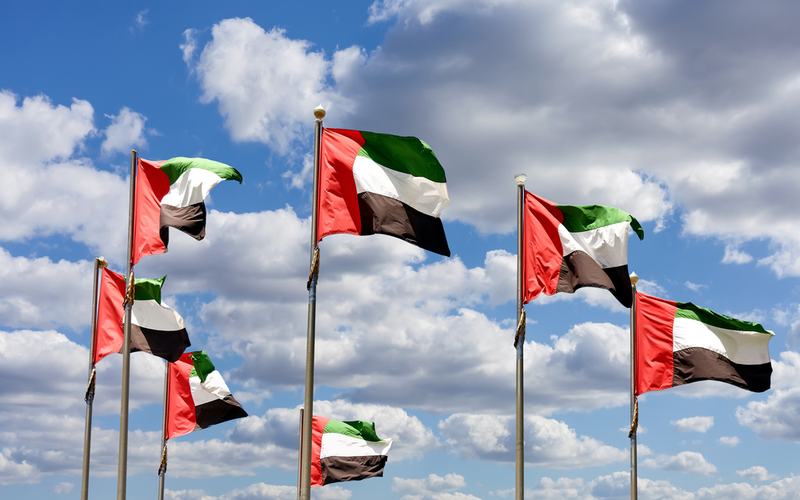
The United Arab Emirates has shifted its stance and is now preparing to assist the United States and allies in reopening the Strait of Hormuz by force, according to Arab officials. This marks the first time a Persian Gulf nation would enter combat in the ongoing conflict with Iran, following repeated missile and drone strikes on Emirati targets.
Iran effectively blockaded the strait, which handles about 20% of the world's seaborne oil trade and significant liquefied natural gas shipments, amid the U.S.-Israeli war against Tehran that began in February 2026. The closure has driven up global energy prices and heightened inflation concerns, severely impacting oil-exporting Gulf economies like the UAE. Tehran imposed the blockade in response to U.S. and Israeli strikes on its nuclear facilities, missile sites, and military infrastructure.
UAE officials have informed Washington and Western allies of their willingness to participate in a multinational maritime task force to secure the waterway. Abu Dhabi plans to deploy its navy and has assessed capabilities for mine-clearing operations and logistical support. The UAE is also advocating for a "Hormuz Security Force" involving dozens of nations to defend the strait and escort commercial shipping.
Emirati diplomats are lobbying the United Nations Security Council for a resolution authorizing military action, including urging the U.S. to seize Iranian-held islands like Abu Musa, which the UAE claims. Bahrain has proposed a draft resolution permitting "all necessary means" to protect shipping.
A UAE official described Iran's strategy bluntly: "The Iranian regime thinks it is fighting for its existence and is willing to bring the global economy down with it in a chokehold on the strait." Sultan al-Jaber, a senior UAE official, added, "Iran holds Hormuz hostage; every nation pays the ransom at the gas pump, at the grocery store, at the pharmacy." The UAE has endured more Iranian attacks than any other regional state, including strikes on a key oil export port outside the Gulf.
President Donald Trump requested naval support from allies to reopen the strait, but several, including NATO members, France, Germany, Japan, and Australia, declined immediate involvement. Trump recently stated that securing the Strait is "not for us," estimating U.S. operations against Iran would conclude in two to three weeks. France has consulted 35 countries on a potential post-war mission.
The standoff underscores the strait's strategic importance, with analysts warning of prolonged economic turmoil even after reopening due to mines and damaged infrastructure. Iran has allowed limited humanitarian and "friendly nation" passages, such as for India, but commercial traffic remains halted.

Comments
No comments yet. Be the first to share your thoughts.