
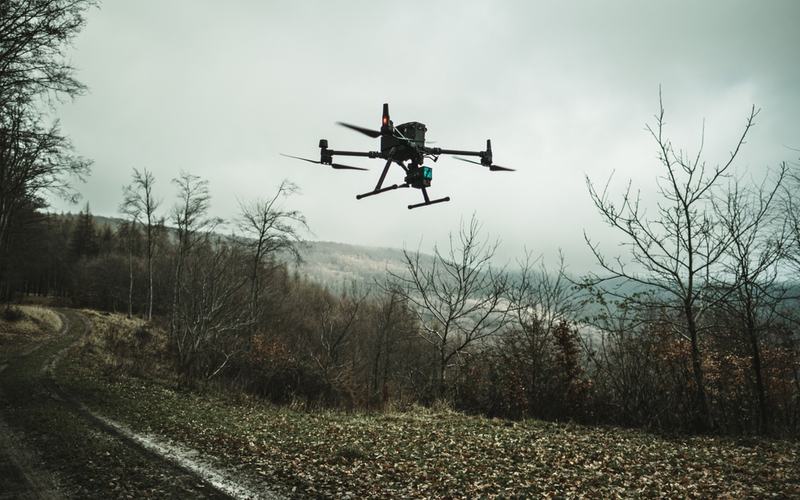
Ukrainian long-range drones struck the Novo-Ufimsk oil refinery in Russia's Bashkortostan region on April 3, forcing the shutdown of a crucial crude distillation unit that accounts for 28 percent of the facility's capacity. The Rosneft-owned refinery, which processed 76,000 barrels per day in 2024 or 1.4 percent of Russia's total oil refining, sustained fire damage from the attack.
The strike formed part of an intensified Ukrainian campaign targeting Russian energy infrastructure. In March, Ukraine hit 10 oil refineries, five military factories, and multiple air defense systems, disrupting fuel supplies and missile production. Recent attacks also damaged the Kirishi refinery in Leningrad Oblast on March 26, affecting key processing units, and Baltic Sea export hubs like Ust-Luga and Primorsk, which handle 40 percent of Russia's seaborne crude exports. These ports saw halted operations and reduced tanker activity following drone and sea drone strikes.
Ukraine's efforts come as Russia reaps windfalls from a global oil price surge triggered by the U.S.-Israeli war against Iran. Iran blockaded the Strait of Hormuz on February 28, through which one-fifth of world oil passes, pushing prices above $100 per barrel for the first time since 2022. Russia's Urals crude averaged $77 per barrel in March, up 73 percent from February. Moscow's oil extraction tax revenue doubled to 700 billion rubles ($9 billion) in April from 327 billion rubles the prior month.
The revenue boost enables Russia to fund its invasion despite sanctions. The U.S. eased restrictions on March 12, issuing licenses for stranded Russian oil purchases to stabilize markets. Ukraine's strikes have cut Russia's oil export capacity by 40 percent, the worst disruption in its modern history.
Kyiv has defied calls from Western allies to pause refinery attacks amid the fuel price spike. Kyrylo Budanov, head of Ukraine's military intelligence, revealed on April 4 that partners sent "signals" urging restraint, but strikes continued on sites like Saratov, Kirishi, and Bashneft-Novoil refineries. Ukraine's Defense Ministry described the operations as "coordinated precision strikes" to deny Moscow billions for missiles and ammunition.
The campaign underscores Ukraine's growing drone capabilities, surpassing Russia in deep-strike attacks. Analysts note that while export hits strain Russia's logistics, high prices tied to extraction taxes largely preserve government income.

Comments
No comments yet. Be the first to share your thoughts.