
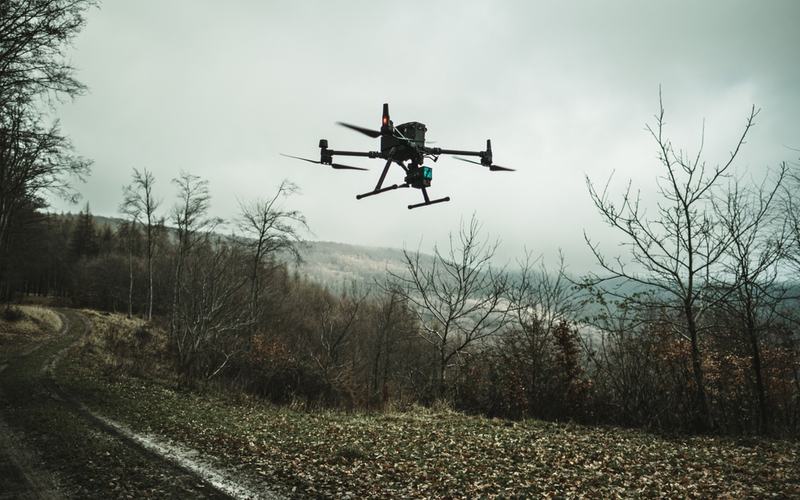
Russia's Defense Ministry reported intercepting 7,347 Ukrainian drones during March 2026, the highest monthly total since the full-scale invasion began and an average of about 244 per day. Ukraine's Air Force, meanwhile, recorded 6,462 Russian drones launched against its territory over the same period, along with 138 missiles.
These figures indicate that for the first time, Ukraine launched more cross-border attack drones at Russia than Russia directed at Ukraine. Ukrainian forces downed or jammed 5,833 of the incoming Russian drones, or about 90 percent.
The milestone reflects Ukraine's rapidly expanding domestic drone production, which has enabled Kyiv to sustain higher volumes of long-range strikes deep into Russian territory. Reports show Ukrainian drone launches escalating from over 1,000 in August 2024 to 3,000 in July 2025 and around 7,000 in March 2026. Ukraine aims to produce over 7 million drones of various types this year, building on 4 million manufactured in 2025.
Russia also intensified its drone campaign in March, setting a record with 6,462 launches, a 28 percent increase from February. Moscow has relied heavily on Iranian-designed Shahed drones, with production exceeding targets and plans for further increases.
On the frontline, Ukrainian Brigadier General Pavlo Palisa stated Tuesday that Ukraine's forces now deploy 30 percent more strike drones than Russian troops. These first-person-view (FPV) drones account for the majority of tactical strikes along the contact line.
Drones have defined much of the conflict since Russia's 2022 invasion, comprising over 80 percent of frontline hits and enabling both sides to target military infrastructure, oil facilities, and air defenses from afar. Ukraine's strikes have disrupted Russian oil refining and logistics, while Russia has hammered Ukrainian energy infrastructure and civilian areas.
The parity shift in long-range drone exchanges underscores evolving capabilities amid ongoing attrition. Ukrainian officials predict continued growth in production and strike capacity throughout 2026.

Comments
No comments yet. Be the first to share your thoughts.