
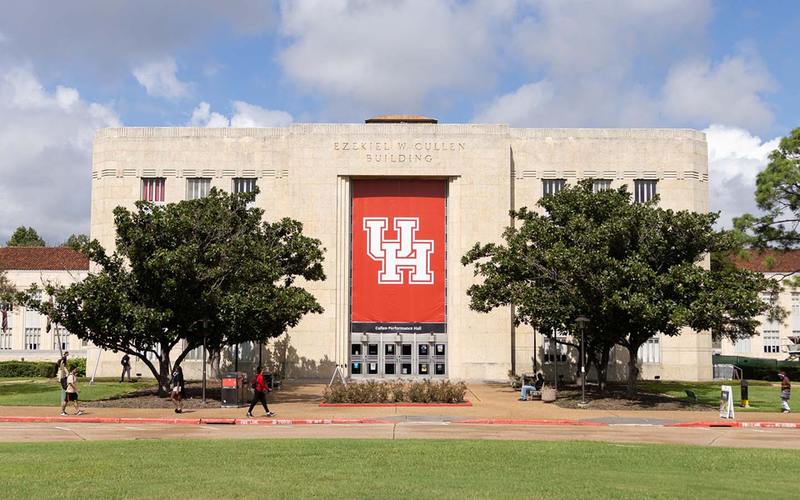
The University of Houston has issued a form requiring faculty members to affirm that they will not indoctrinate students into any particular ideology, according to a report first highlighted by Campus Reform.
The document asks professors to agree to five statements centered on critical thinking and instructional purpose. Faculty are required to acknowledge that a primary function of higher education is to enhance critical thinking skills, confirm they understand what constitutes critical thinking, and affirm that their courses and teaching methods are designed to develop those skills rather than promote ideological viewpoints.
The policy shift follows the passage of Senate Bill 37 in Texas, which expanded mechanisms for students to file complaints regarding political or ideological bias in public universities. Supporters of the measure argued that it was necessary to address concerns that some institutions had moved beyond instruction into activism.
State Sen. Brandon Creighton, a backer of the legislation, said earlier this year that faculty governance structures had in some cases operated without sufficient public accountability. He cited instances of curriculum influence, political statements, and internal votes that he said undermined public trust in higher education.
The university’s action also follows Senate Bill 17, signed into law in 2023 by Texas Gov. Greg Abbott, which prohibited Diversity, Equity, and Inclusion initiatives at public colleges and universities. Abbott said at the time that the measure was intended to ensure students advance based on merit and achievement rather than identity-based criteria.
Not all faculty have supported the non-indoctrination pledge. The local chapter of the American Association of University Professors reportedly drafted a suggested response for professors who objected to completing the form as written, advising them to communicate concerns directly to administrators.
The University of Houston has also recently shuttered its Gender Studies Center, a move that aligns with broader changes underway in Texas higher education policy.
The development marks one of the more concrete steps taken by a public university to formalize expectations around viewpoint neutrality in the classroom. Whether similar measures will be adopted by other institutions remains to be seen as states continue debating the role of ideology in public education.

Comments
No comments yet. Be the first to share your thoughts.