
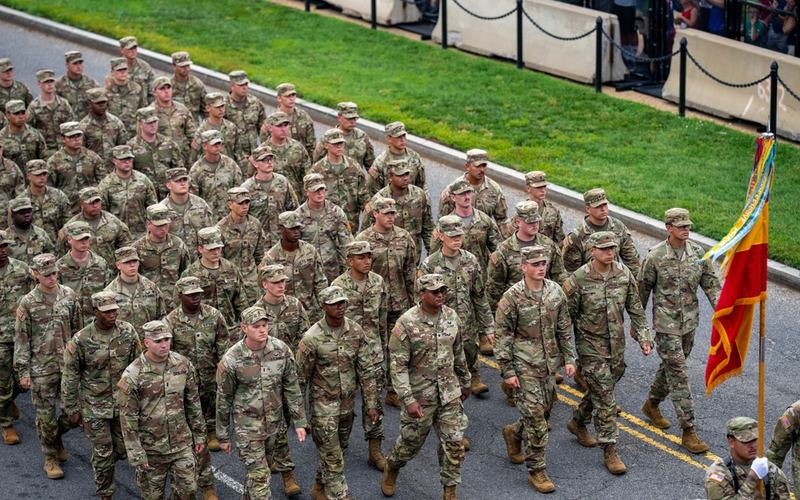
The U.S. Army has increased its maximum enlistment age to 42 for recruits and those with prior service, according to a revised personnel regulation released this week. The change, outlined in Army Regulation 601-210, takes effect on April 20 and applies to the Regular Army, Army Reserve, and Army National Guard.
Previously, the enlistment cap stood at 35 years old, though waivers allowed some older applicants to join. Non-prior service recruits must now ship to active duty before turning 43, while prior service members qualify if their age minus honorable active service is under 43 and they meet retirement requirements. Those with prior service may enter active duty after 42 if they require no additional training and hold a qualified military occupational specialty.
The policy shift aims to align the Army with other military branches, such as the Air Force and Space Force at 42, and the Navy at 41. Army officials cited a need for more mature recruits with technical experience, particularly for warrant officer roles. Col. Angela Chipman, chief of the military personnel accessions and retention division, stated, “We’re kind of looking at a more mature audience that might have experience in technical fields."
A 2022 RAND Corporation study supports recruiting older enlistees, finding that those aged 25 to 35 are 15% less likely to drop out of training and 6% more likely to reenlist compared to younger peers. Recruiters view them as more focused and motivated. The average age of new Army recruits has risen to about 22.7 years in fiscal 2026, up from 21 a decade ago.
This comes amid ongoing recruitment efforts. The Army met or exceeded its 2025 goals and remains on track for 2026, a rebound from missing targets by about 25% in 2022. The service has invested billions in marketing, prep courses, and incentives to attract Gen Z talent.
The regulation also eliminates the waiver requirement for a single conviction of marijuana possession or paraphernalia, previously needing a 24-month wait and approval despite high approval rates. Chipman noted this reflects varying state laws on marijuana, with recreational use legal in nearly half of the states. “It’s just us looking at... at what point are we hindering ourselves by holding people to this type of conviction?" she said.
The Army temporarily raised the age to 42 in 2006 during the Iraq and Afghanistan wars before reverting to 35 in 2016. The current update prioritizes medical fitness, education, aptitude, and background checks alongside the relaxed age rule.
Army recruiting officials expect the changes to broaden the pool without compromising standards, freeing resources from waiver processing.

Comments
No comments yet. Be the first to share your thoughts.