
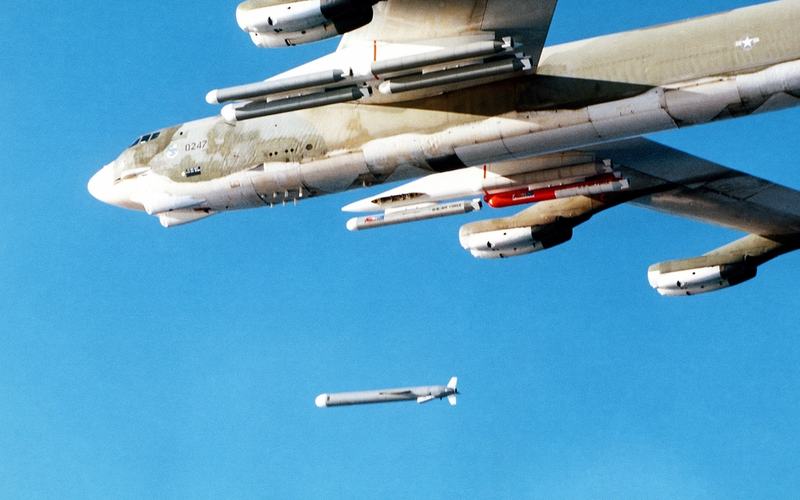
The United States military has fired more than 850 Tomahawk cruise missiles at Iranian targets during the first four weeks of its war with Iran, a pace that has alarmed some Pentagon officials. The revelation, reported by The Washington Post on Friday, highlights the intense munitions usage in Operation Epic Fury, which began on February 28, 2026.
The conflict erupted when U.S. and Israeli forces launched surprise airstrikes on Iranian military sites, citing the need to neutralize threats from Tehran's nuclear program, ballistic missiles, and regional aggression. In the opening 72 hours alone, U.S. Navy destroyers and submarines unleashed approximately 400 Tomahawks, nearly 10 percent of the total pre-war stockpile. Targets included air defenses, missile production facilities, nuclear sites such as Natanz, naval bases, and oil infrastructure like Kharg Island.
U.S. Central Command has struck over 8,000 Iranian military targets, including 130 vessels, as part of the joint campaign with Israel. The Tomahawks, each costing between $2 million and $3.6 million, were supplemented by B-2 stealth bombers, F-35 fighters, drones, and other precision weapons. The first day's offensive alone burned through an estimated $779 million in munitions.
Despite the barrage, U.S. officials confirmed destruction of only about one-third of Iran's missile arsenal. Iran fired 15 ballistic missiles on Thursday, demonstrating sustained capabilities. Tehran claims to have intercepted several Tomahawks, along with U.S. F-35s and F-15s, though independent verification remains limited.
Iran retaliated with over 1,250 ballistic missiles and 2,300 drones targeting U.S. bases in the Gulf, Israel, and allies like Saudi Arabia. Casualties exceed 4,500 killed, with strikes hitting civilian sites including a school in Minab, where debris suggested a Tomahawk involvement. Iran controls the Strait of Hormuz, disrupting oil shipments and driving prices above $114 per barrel.
The rapid Tomahawk expenditure has sparked urgent Pentagon discussions on replenishment, given slow production rates. Officials worry about reserves needed for potential conflicts with peer adversaries like China. President Trump, overseeing operations from Mar-a-Lago, postponed strikes on Iranian power plants but vowed intensified action unless demands are met.
No ceasefire is in sight, with Iran rejecting a U.S. peace proposal and the war entering its fifth week.

Comments
No comments yet. Be the first to share your thoughts.