
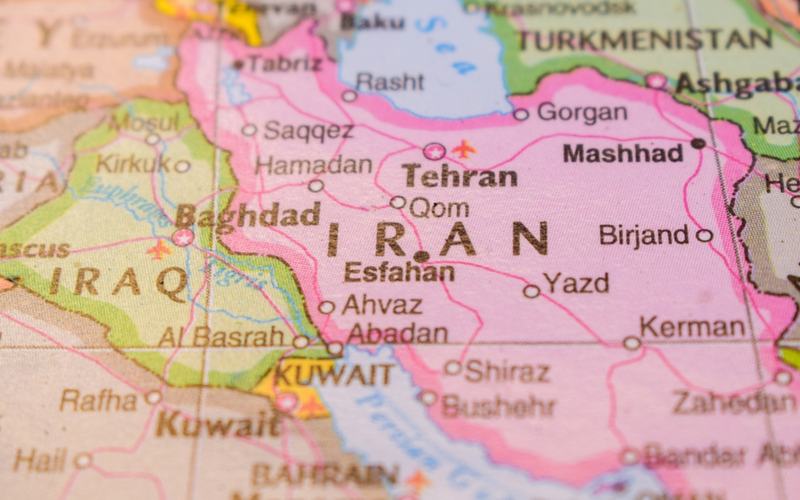
Israel launched a massive wave of airstrikes across Lebanon on Wednesday, killing at least 182 people and wounding 890 others in what the Lebanese health ministry described as the deadliest single day of the ongoing war. The attacks, dubbed Operation Eternal Darkness by the Israeli military, targeted more than 100 Hezbollah command centers and military sites in Beirut, southern Lebanon, and the Bekaa Valley. Lebanon's civil defense service reported a higher toll of 254 killed and over 1,100 wounded, though figures remain preliminary amid ongoing rescue efforts.
The strikes came just one day after the United States and Iran agreed to a fragile two-week ceasefire on Tuesday evening, announced by President Donald Trump ahead of a self-imposed deadline for negotiations. The truce called for a mutual suspension of attacks, with U.S. forces remaining positioned around Iran and a delegation set to travel to Islamabad, Pakistan, for talks starting Saturday. Trump described Lebanon as a 'separate skirmish' not covered by the deal, emphasizing that U.S. ships, aircraft, and personnel would stay in place until a full agreement is reached.
Israeli Prime Minister Benjamin Netanyahu echoed this position, stating the ceasefire with Iran 'does not include Lebanon' or Hezbollah, Iran's primary proxy in the region. The Israeli Defense Forces issued evacuation orders for parts of southern Beirut before the strikes, aiming to dismantle Hezbollah infrastructure and create a buffer zone north of the Litani River. Vice President JD Vance called Iranian claims of inclusion a 'misunderstanding,' while White House press secretary Karoline Leavitt confirmed the exclusion.
Iran condemned the attacks as a 'grave violation' of the ceasefire, with President Masoud Pezeshkian insisting Lebanon formed an 'inseparable part' of the agreement. In response, Tehran restricted shipping through the Strait of Hormuz, allowing only limited vessel passage and causing oil prices to surge, with West Texas Intermediate crude hitting $99.61 per barrel. Hezbollah initially paused rocket fire in line with the truce but launched missiles at northern Israel today, vowing continued retaliation until Israeli operations cease.
The Lebanon conflict escalated in early March after U.S. and Israeli strikes assassinated Iran's Supreme Leader Ali Khamenei on February 28, prompting Hezbollah to resume attacks. Before Wednesday's strikes, Israeli operations had killed at least 1,784 people in Lebanon since then, displacing over 1.2 million and overwhelming hospitals. Israel reports killing around 1,000 Hezbollah militants, while the group claims defensive actions against territorial incursions.
International leaders expressed concern over the ceasefire's stability. The United Nations secretary-general warned of a 'grave risk,' while Britain, France, and others urged inclusion of Lebanon in the truce. French President Emmanuel Macron welcomed the U.S.-Iran pause but called for de-escalation. As talks loom, the Strait's restrictions and Hezbollah's response heighten fears of broader escalation.

Comments
No comments yet. Be the first to share your thoughts.