
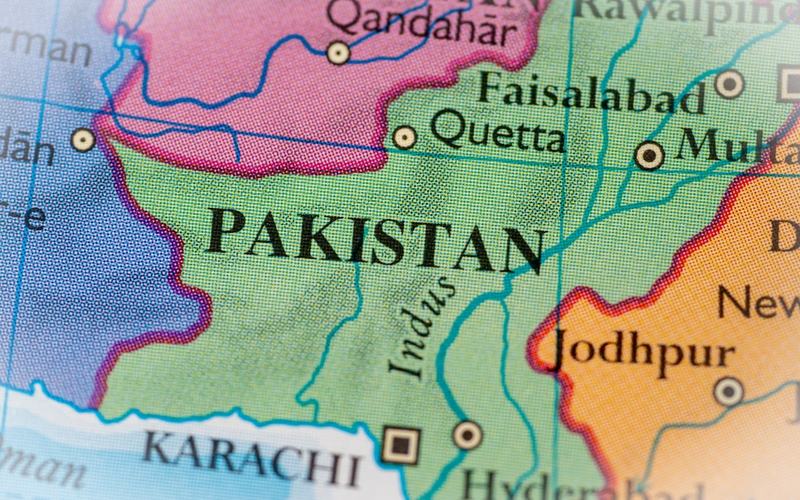
High-stakes peace talks between the United States and Iran concluded without an agreement early Sunday in Islamabad, Pakistan, after more than 21 hours of marathon negotiations. Vice President JD Vance, who led the American delegation, announced the failure and blamed Iran for refusing to accept Washington's terms, particularly a commitment to abandon nuclear weapons development.
The discussions marked the highest-level direct meeting between the two nations since Iran's 1979 Islamic Revolution and followed a fragile two-week ceasefire brokered by Pakistan. The ceasefire came amid a six-week war that began in late February 2026, triggered by U.S. and Israeli airstrikes on Iran, including the killing of former Supreme Leader Ali Khamenei, and Iran's retaliatory actions against Israel and Gulf states hosting American forces. Iran also restricted access to the Strait of Hormuz, a vital chokepoint for 20 percent of global oil exports, exacerbating an energy crisis.
Vance told reporters in Islamabad that the U.S. had negotiated in good faith and offered a "final and best" proposal, but Iran would not provide an "affirmative commitment" against pursuing nuclear weapons or the tools to develop them quickly. "The bad news is that we have not reached an agreement, and I think that’s bad news for Iran much more than it’s bad news for the United States of America," Vance said. He noted constant consultations with President Donald Trump and top officials, including Secretary of State Marco Rubio and Defense Secretary Pete Hegseth.
Iran's delegation, led by Parliament Speaker Mohammad Bagher Qalibaf, downplayed the lack of progress. Foreign Ministry spokesperson Esmaeil Baghaei stated that no one expected a deal in the first session and expressed confidence in continued contacts through Pakistan and regional allies. Iranian state media described U.S. demands as "excessive," preventing a common framework.
Other flashpoints included demands for Iran to clear mines from the Strait of Hormuz and reopen it fully, alongside issues like sanctions relief, war reparations, a ceasefire in Lebanon, where over 2,000 have died amid Israeli operations, and unfreezing Iranian assets. Pakistan's Foreign Minister Ishaq Dar urged both sides to uphold the truce and praised Islamabad's mediation role, pledging to facilitate further dialogue.
Pakistan emerged as an unlikely host due to its ties with both nations, including military leader Asim Munir's rapport with Trump and shared borders and interests with Iran. The capital saw heavy security, with 10,000 personnel deployed and streets cleared.
Vance departed shortly after the announcement, leaving the ceasefire's future uncertain. While holding for now, analysts noted Iran's leverage from enriched uranium stocks and Hormuz control, though U.S. officials portrayed flexibility and strength. Pakistani officials and international voices called for renewed efforts to prevent escalation.

Comments
No comments yet. Be the first to share your thoughts.