
The U.S. military is making preparations for the possibility of extended operations against Iran, potentially lasting weeks, if President Donald Trump orders a strike, two officials told Reuters. The officials, speaking anonymously due to the sensitivity of the planning, indicated that this could represent a far more serious conflict than previous U.S.-Iran tensions.
U.S. envoys Steve Witkoff and Jared Kushner are scheduled to meet Iranian representatives in Geneva on Tuesday, with Oman serving as mediator. Secretary of State Marco Rubio acknowledged that while Trump prefers a negotiated deal, achieving one with Tehran “is very hard to do.”
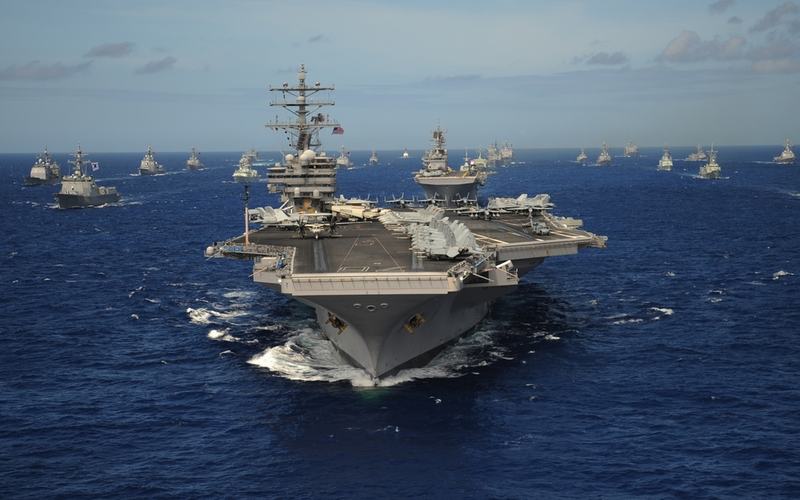
Meanwhile, the Pentagon is reinforcing U.S. military presence in the Middle East. Officials said additional aircraft carriers, fighter jets, guided-missile destroyers, and thousands of troops are being deployed to the region. Trump, speaking Friday at Fort Bragg, North Carolina, suggested that regime change in Iran “seems like that would be the best thing that could happen,” though he did not specify successors.
Trump has historically avoided committing ground forces to Iran, emphasizing air and naval power. A June 2025 operation, dubbed “Midnight Hammer,” struck Iranian nuclear facilities with U.S.-based stealth bombers, prompting a limited Iranian retaliation.
Officials said a sustained campaign would likely target broader state and security infrastructure, not just nuclear sites. The White House and Pentagon declined to comment on potential reprisals.
Iran has offered to negotiate limits on its nuclear program in exchange for lifting sanctions, but has rejected linking the talks to missile development. Israeli Prime Minister Benjamin Netanyahu met with Trump in Washington to emphasize that any agreement must protect Israeli security interests.
With military buildup and high-stakes diplomacy ongoing, the U.S. appears poised to maintain pressure on Iran, keeping both options, negotiation or force, on the table.

Comments
No comments yet. Be the first to share your thoughts.