
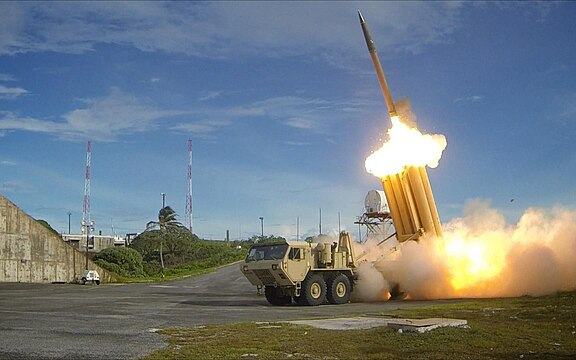
The United States has begun relocating parts of its Terminal High Altitude Area Defense (THAAD) system from South Korea to the Middle East. The Washington Post reported the move on Monday, citing two Pentagon officials, as the U.S. bolsters defenses strained by ongoing hostilities with Iran.
South Korean media captured images of U.S. forces dismantling Patriot and THAAD equipment, with transport aircraft like C-5 Galaxies and C-17 Globemasters making multiple flights from Osan Air Base. Patriot PAC-2 and PAC-3 batteries were also shipped out, likely headed to U.S. bases in Saudi Arabia and the United Arab Emirates. U.S. Forces Korea and the Pentagon declined to comment, citing operational security.
The redeployment comes after U.S. and Israeli strikes on Iran began on February 28, prompting intense Iranian retaliation. Iranian attacks have damaged THAAD radars in Jordan and the UAE, while the U.S. expended $5.6 billion in ammunition during the first two days alone. Interceptor stocks for THAAD and Patriot systems have dwindled amid drone and ballistic missile barrages on U.S. bases across a dozen countries.
South Korean President Lee Jae-myung addressed the issue during a Cabinet meeting yesterday, stating Seoul had expressed opposition but could not dictate U.S. military needs. "While we have expressed opposition, the reality is that we cannot fully push through our position," he said, adding that South Korea's superior defense capabilities ensure deterrence against North Korea remains intact.
THAAD has been permanently deployed in South Korea since 2016 as the only foreign-hosted U.S. Army battery, aimed at countering North Korean ballistic missiles. The system includes radars capable of tracking threats up to 3,000 kilometers away. Analysts note the shift highlights global strains on U.S. air defenses, though Seoul maintains its conventional superiority over Pyongyang.

Comments
No comments yet. Be the first to share your thoughts.