
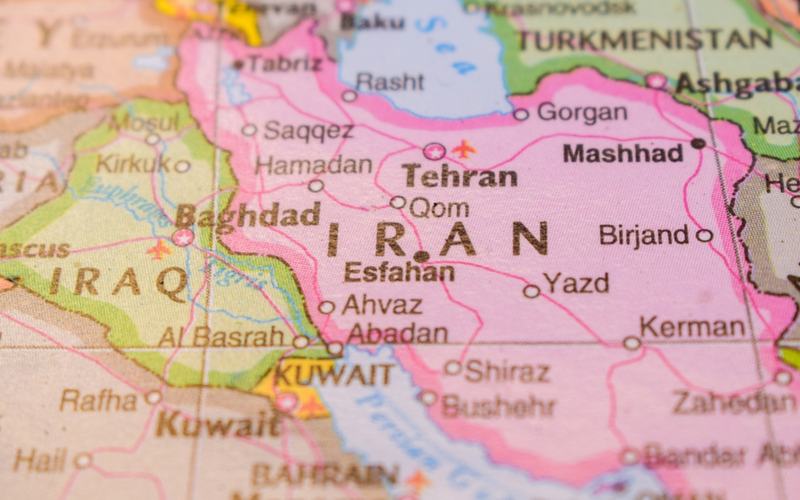
The United States has issued a short-term authorization allowing the sale of Iranian crude oil and petroleum products currently loaded on vessels and stranded at sea. Treasury Secretary Scott Bessent announced the move Thursday, targeting approximately 140 million barrels that could reach global markets within days.
The waiver, effective until April 19, reverses longstanding policy restrictions on Iranian oil sales amid the U.S. military campaign against Iran. It aims to ease supply disruptions in the Strait of Hormuz, where conflict has halted shipping and removed about a tenth of global oil supply from the market. The war began late last month, driving U.S. gasoline prices up by 92 cents per gallon in recent weeks.
Bessent described the action as using 'Iranian barrels against the Iranians' to suppress prices for the next 10 to 14 days. He noted the oil, previously destined mostly for China at discounted rates, could now divert to markets like India, Japan, and Malaysia at full price. President Donald Trump affirmed the administration would 'do whatever is necessary' to control costs.
This follows a similar 30-day waiver issued March 12 for Russian oil loaded before that date, authorizing sales until April 11 to stabilize prices. That general license freed up around 130 million barrels, drawing criticism from Democrats who argued it aided adversaries.
The Iranian measure addresses immediate supply shocks without broader sanctions relief. Experts caution that its impact on prices may be limited, as funds from sales could still reach the Iranian regime. The U.S. has intensified pressure on Iran's oil sector since withdrawing from the 2015 nuclear deal, though evasion via a 'shadow fleet' has persisted.
Global crude prices have fluctuated wildly since the conflict escalated. Earlier surges pushed benchmarks above $90 per barrel before partial retreats. U.S. officials emphasize that the Hormuz chokepoint issue is temporary, with additional tools like strategic reserve releases available.
Democratic senators, including Elizabeth Warren and Chuck Schumer, previously condemned the Russian waiver as undermining congressional sanctions mandates. Similar backlash is expected, with concerns over rewarding Iran during active hostilities. Senator Andy Kim called prior moves shortsighted amid rising consumer costs.
The authorization excludes new Iranian production or transactions beyond the specified vessels. It aligns with efforts to shield American families from energy volatility sparked by Iran's actions in the region.

Comments
No comments yet. Be the first to share your thoughts.