
Utah's ongoing measles outbreak surpassed earlier milestones with 486 confirmed cases among state residents, according to the latest data from the Utah Department of Health and Human Services. The outbreak, which started in June 2025, saw 107 new diagnoses in the three weeks leading up to the March 24 report date.
The case rate stands at 14.1 per 100,000 residents. Children under 18 account for 313 cases, while 173 involve adults. At least 41 patients required hospitalization, though no deaths have been reported in Utah. Roughly 10.1% of cases occurred in vaccinated individuals, known as breakthrough infections, with the majority among the unvaccinated.
Southwest Utah bears the heaviest burden, with 233 cases and a rate of 81.6 per 100,000 in that district. Utah County follows with 78 cases, and Salt Lake County has 53. Other affected areas include Central Utah (36 cases), Tri-County (23), Tooele County (16), and smaller numbers elsewhere.
Recent exposures highlight the virus's spread through everyday settings. Notifications cover schools like Orem Junior High and Dixie Intermediate, hospitals such as Primary Children's and Cedar City Emergency Department, grocery stores including multiple Walmarts and Smith's, entertainment venues like the Loveland Living Planet Aquarium and Cottonwood Megaplex, and even a temple open house in Lindon. Locations span counties from Cache to Washington, with symptom watch periods extending into late March.
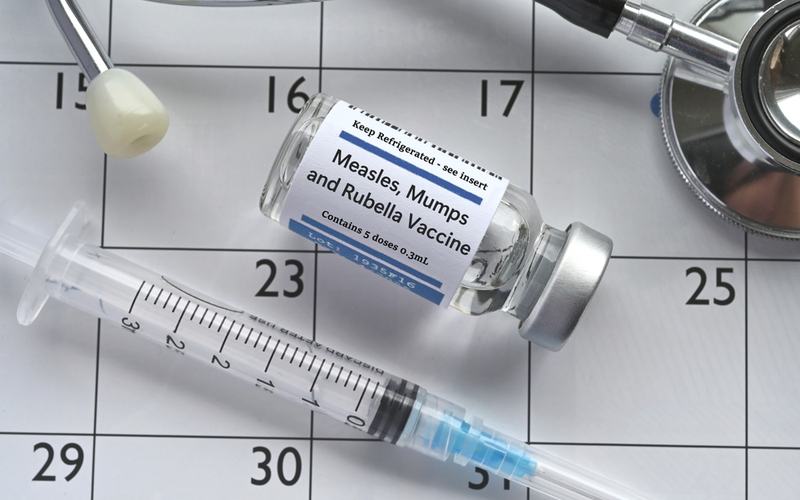
State officials urge vaccination as the primary defense. The MMR vaccine provides strong protection, with recommendations for an early dose in infants aged 6-11 months amid community transmission and a second dose before age 4. Kindergarten exemption rates hover around 10% statewide, though pockets of lower coverage contribute to clusters.
Nationally, the Centers for Disease Control and Prevention tallied 1,575 confirmed measles cases in 2026 as of March 26, with Utah among 32 affected jurisdictions. Most cases are tied to outbreaks, fueled by unvaccinated groups.
Public health teams monitor wastewater for the virus and advise anyone with symptoms, high fever, cough, runny nose, red eyes, and rash to isolate and contact providers before seeking care. Unvaccinated individuals should avoid crowds and consider post-exposure options.

Comments
No comments yet. Be the first to share your thoughts.