
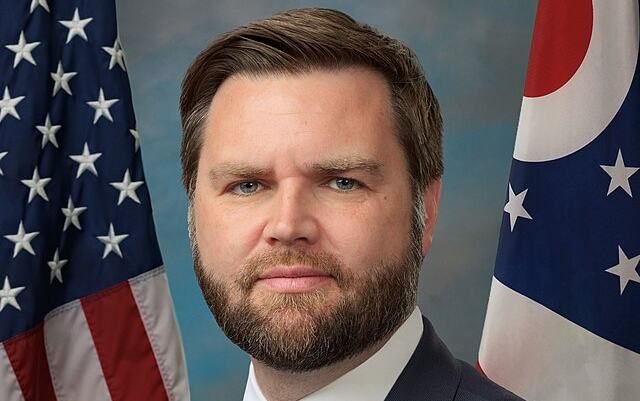
High-level talks between the United States and Iran are scheduled for Friday in Islamabad, Pakistan, with US Vice President JD Vance leading the American delegation and Iranian Parliament Speaker Mohammad Bagher Ghalibaf heading Tehran's team.
The negotiations follow a two-week ceasefire announced by President Donald Trump on Tuesday evening, just hours before a self-imposed deadline for Iran to reopen the Strait of Hormuz to oil and gas shipments. Trump described the agreement as a "double sided CEASEFIRE," stating that US military objectives had been met and exceeded, paving the way for a definitive long-term peace deal.
The ceasefire came amid escalating tensions earlier this year, including an Iran-Israel war and Iran's blockade of the Strait of Hormuz, which disrupted about one-fifth of global oil supplies. Pakistan played a key role in brokering the truce and extended invitations to both sides for the Islamabad talks, with Prime Minister Shehbaz Sharif praising the "remarkable wisdom and understanding" shown by the parties.
Discussions will center on Iran's 10-point proposal, submitted via Pakistan, which addresses Tehran's nuclear program, regional security concerns, and the lifting of primary and secondary sanctions imposed over the past 45 years. Trump called the framework a "workable basis" for negotiations during the ceasefire period.
These mark the first direct in-person US-Iran talks since hostilities erupted earlier in 2026, shifting from weeks of military strikes and rhetoric to diplomacy. Iranian officials have expressed complete distrust toward Washington, highlighting persistent challenges despite the diplomatic momentum.
Pakistan's hosting has boosted local markets, with the KSE-100 index rising 9 percent on the news. Sharif expressed hope that the talks would yield sustainable peace in the Middle East and share further positive developments soon.
The delegations are expected to arrive in Islamabad on Friday, April 10, to finalize a conclusive agreement settling all disputes. While details of additional delegates remain limited, reports mention potential US figures like Steve Witkoff and Jared Kushner accompanying Vance.
The outcome could reshape regional dynamics, global energy markets, and US-Iran relations for years to come.

Comments
No comments yet. Be the first to share your thoughts.