
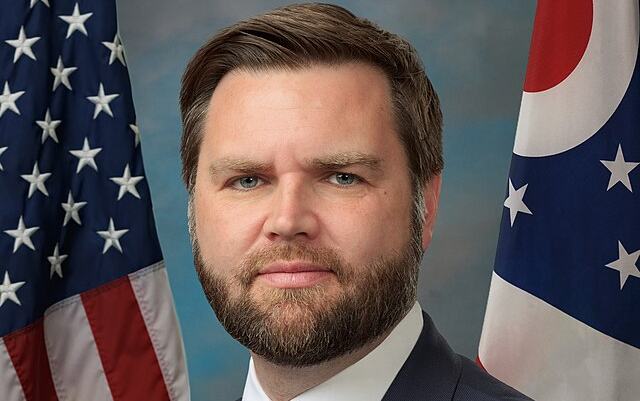
Vice President JD Vance broke his relative silence on the ongoing Iran war Thursday morning, stressing that nobody likes war and underscoring the administration's commitment to preventing endless engagements.
In comments captured early Thursday, Vance said the U.S. prefers diplomacy but drew a firm red line against Iran acquiring nuclear weapons, the core reason for the military action. He noted internal debates are welcome but officials must align with presidential decisions. The remarks come as U.S. and Israeli forces continue airstrikes deep into Iranian territory nearly three weeks after the conflict erupted.
The war began on February 28, 2026, when U.S. and Israeli forces launched surprise airstrikes under Operations Epic Fury and Roaring Lion, targeting over 500 Iranian sites including military bases, nuclear facilities, and leadership compounds. The strikes assassinated Supreme Leader Ali Khamenei and prompted Iranian retaliation with missile barrages on Israel, U.S. bases, and Gulf states, along with an attempt to close the Strait of Hormuz. Iranian health officials report at least 1,444 killed and nearly 19,000 wounded, while U.S. and Israeli sources cite thousands of Iranian military deaths.
Vance, a longtime critic of U.S. foreign interventions, has contrasted the current operation with past "endless wars." He told Fox News host Jesse Watters that "there's just no way that Donald Trump is going to allow this country to get into a multi-year conflict with no clear end in sight and no clear objective." He referenced the 20 years in Afghanistan and nearly a decade in Iraq as lacking clear missions.
As a senator, Vance opposed aid to Ukraine and warned against wars with Iran, calling them a "huge distraction of resources" in 2024. Internally, he was skeptical of the strikes before they launched, voicing concerns about success and escalation to President Trump, according to senior officials. Publicly, however, Vance has defended the limited objectives of degrading Iran's nuclear capabilities and repressive institutions.
The vice president addressed rising gas prices linked to Hormuz disruptions during events this week, calling them a temporary issue. On Wednesday, Israeli strikes hit Iran's South Pars gas field and killed intelligence minister Esmaeil Khatib, while Iran fired missiles at Israeli cities. U.S. Central Command continues operations to secure shipping lanes, with no ground invasion announced.
Vance's messaging aims to reassure his anti-intervention base that the conflict will remain focused, even as Trump hints at regime change and extended timelines.

Comments
No comments yet. Be the first to share your thoughts.