
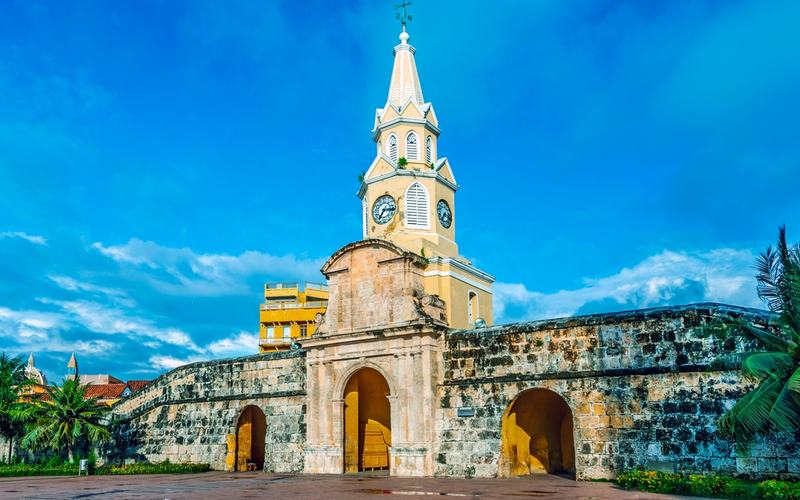
Colombians voted in legislative elections on Sunday amid a surge in violence targeting politicians, echoing the country's turbulent past and raising fears for the democratic process.
The United Nations warned last month that Colombia risked a human rights backslide, citing 18 homicides of political leaders and 126 attacks or threats against them in 2025 alone. This escalation has forced many candidates to limit public appearances, with armed groups like the ELN and FARC dissidents blamed for seeking territorial control ahead of the March 8 congressional vote and the May presidential contest.
The killing of Senator Miguel Uribe Turbay exemplified the dangers. The prominent critic of President Gustavo Petro's policies was shot during a June 2025 campaign rally in Bogota and died two months later from his wounds. A teenager received a seven-year juvenile sentence for the attack, though links to guerrillas remained unclear. Human Rights Watch noted the assassination marred preparations for the 2026 polls, with the Ombudsperson’s Office issuing early warnings for 224 municipalities.
Petro's "total peace" initiative, aimed at negotiating with armed groups, has drawn criticism for failing to curb violence. Conflicts between factions like ELN and FARC dissidents in regions such as Catatumbo displaced over 79,500 people from January to August 2025, a 53% rise from 2024. The UN report highlighted an 85% increase in mass displacements overall, with non-state actors using killings, kidnappings, and threats to dominate communities.
Candidates have retreated from the campaign trail, as reported in February. Bloomberg detailed how a senator's bodyguards were massacred and gangs issued direct threats, prompting restricted movement in high-risk areas. The European Union and Parliament called for enhanced security after Uribe's death.
Polling showed voter concerns centered on corruption, street crime, and armed violence. As of midday Sunday, no major incidents were reported at polling stations, but 81 municipalities faced extreme risk from violence and fraud.
UN representative Scott Campbell cautioned of "risks of a more serious setback," urging protection for political actors. The government resumed airstrikes on dissidents but made limited progress in disarmament talks, suspended with ELN after regional attacks.
This wave recalls the 1980s and 1990s, when multiple presidential hopefuls were assassinated. Despite the 2016 FARC peace accord, dissident factions and other groups proliferated, fueled by drug trafficking and illegal mining. Authorities deployed extra security for the vote, but experts worry the violence undermines democratic guarantees.

Comments
No comments yet. Be the first to share your thoughts.