
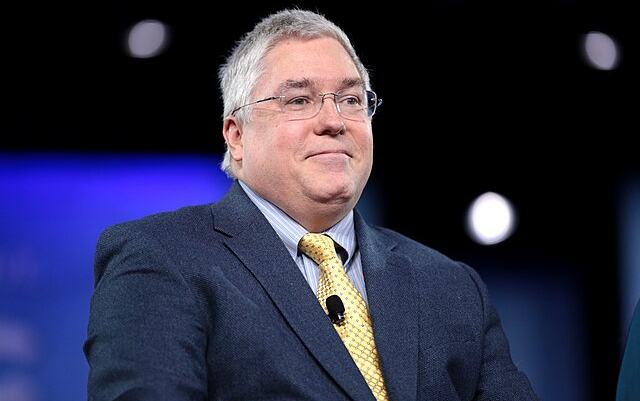
West Virginia Gov. Patrick Morrisey signed into law the First Amendment Preservation Act (SB 531), a measure prohibiting state agencies from contracting with advertising firms that rely on media “blacklists” or ideological rating systems.
The legislation, passed with broad support in the state legislature and sponsored by state Sen. Mike Azinger, blocks taxpayer-funded advertising from being routed through firms that use so-called “media reliability” or “misinformation” monitors. Supporters argue that such systems can influence which outlets receive advertising revenue and which are excluded.
The move comes amid a broader national effort to limit government interaction with third-party organizations that evaluate or rate media outlets. Recent developments include a legal settlement involving the State Department and media organizations that ended certain federal coordination with outside monitoring groups.
While the West Virginia law does not name specific entities, it follows scrutiny of organizations such as NewsGuard and the Global Disinformation Index, which compile ratings used by advertisers to guide ad placement decisions. Critics have argued these ratings can shape the flow of advertising dollars across the media landscape.
Christine Czernejewski, spokesperson for the Independent Media Council, said the law ensures that public funds are not used in ways that could restrict access to a broad range of viewpoints. The IMC represents multiple independent media outlets with a combined national audience.
Supporters of the legislation contend that media monitoring systems can act as gatekeepers within the advertising market, while others argue they provide tools for assessing credibility. Studies cited by advocacy groups have raised questions about how such ratings are applied across different types of outlets.
Legal analysts have also pointed to potential First Amendment considerations when government funding intersects with private rating systems that affect lawful speech. Concerns have centered on whether public resources could indirectly influence which viewpoints are amplified or limited.
State officials and advocates say the law is intended to ensure that government advertising efforts, including public service campaigns, reach broad audiences without being filtered through third-party criteria tied to editorial perspectives.
West Virginia joins other states and federal efforts examining the role of media rating systems in advertising. Florida enacted a similar restriction, and federal policy has addressed the issue in specific contexts such as military recruitment advertising. Regulators have also signaled interest in maintaining fairness in advertising markets.
Supporters of the new law say it could serve as a model for other states, as policymakers continue to evaluate how public funds interact with evolving media and advertising systems.

Comments
No comments yet. Be the first to share your thoughts.